Send Us A Message
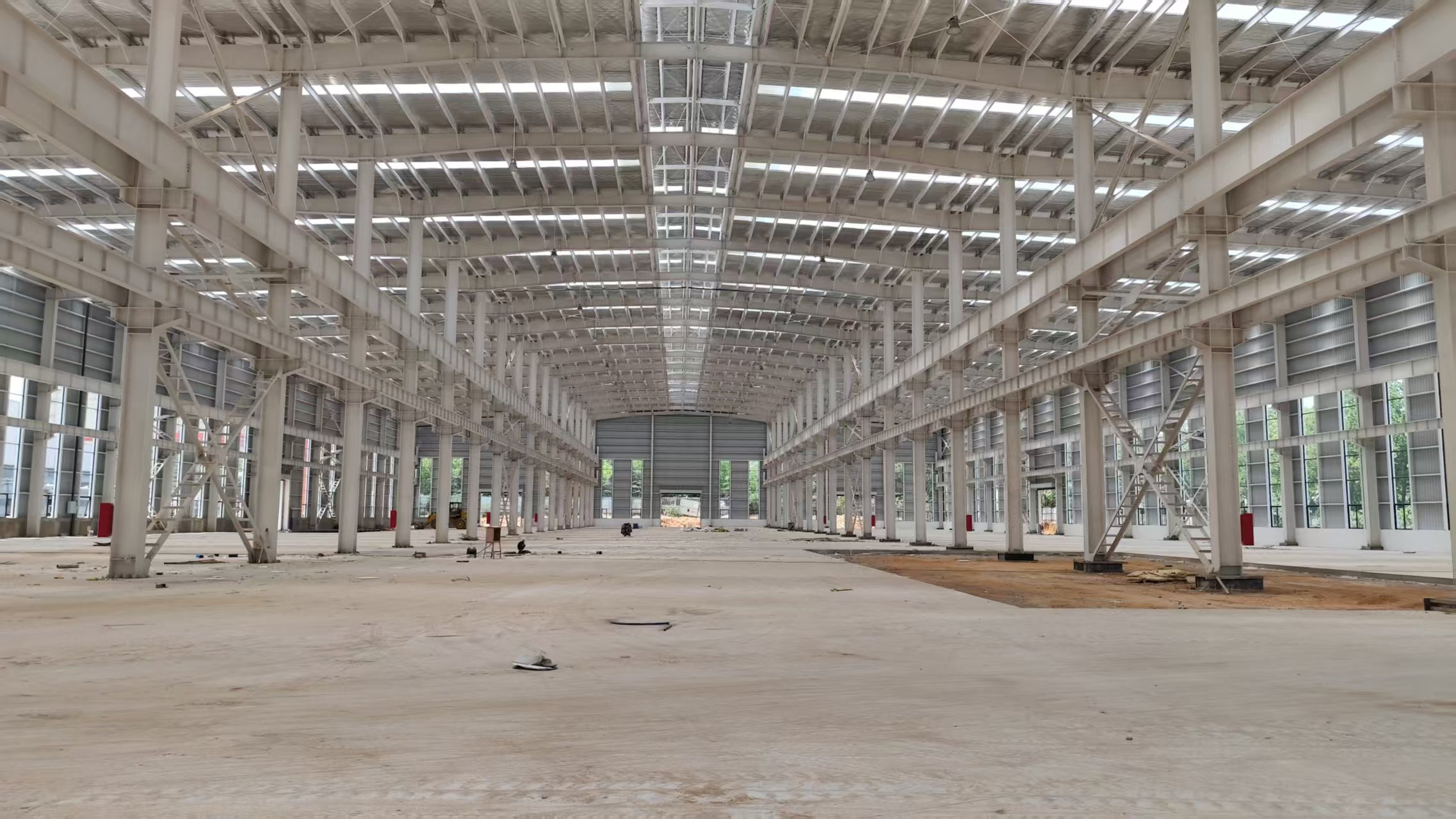
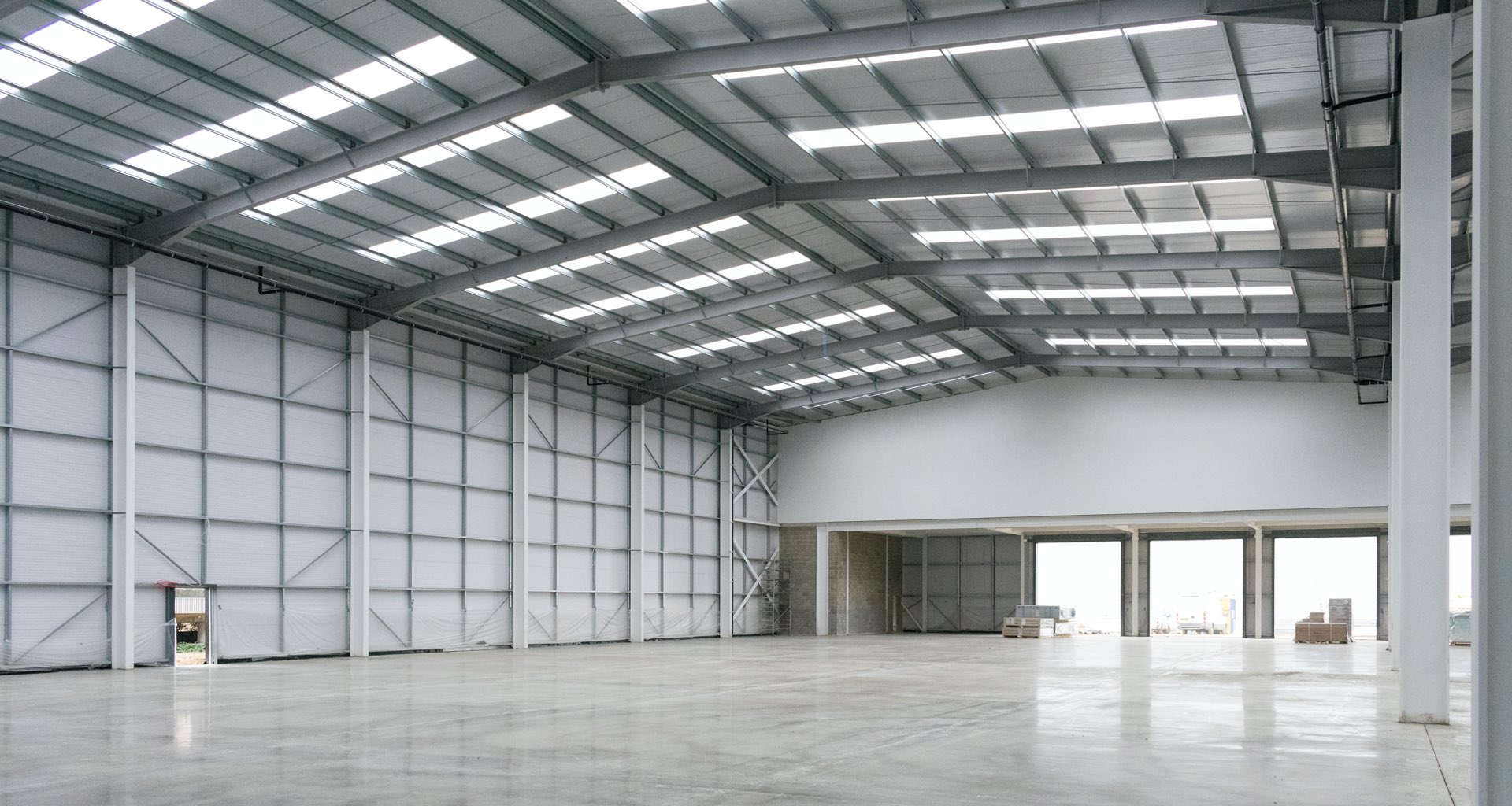
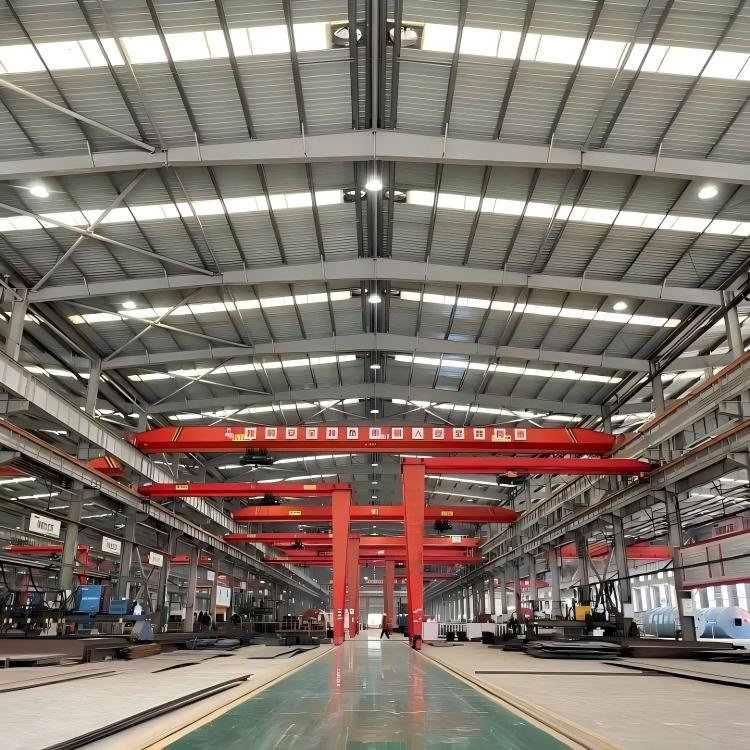
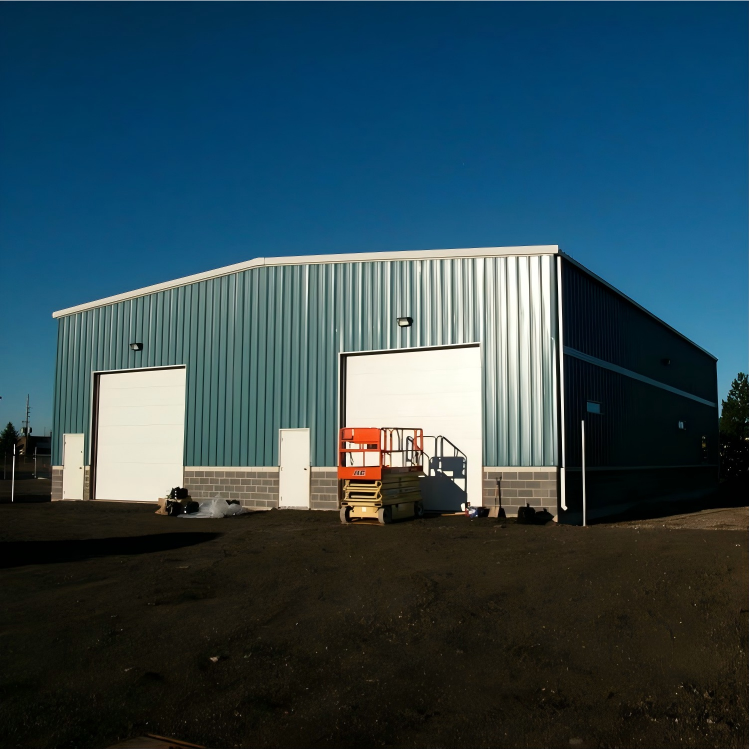
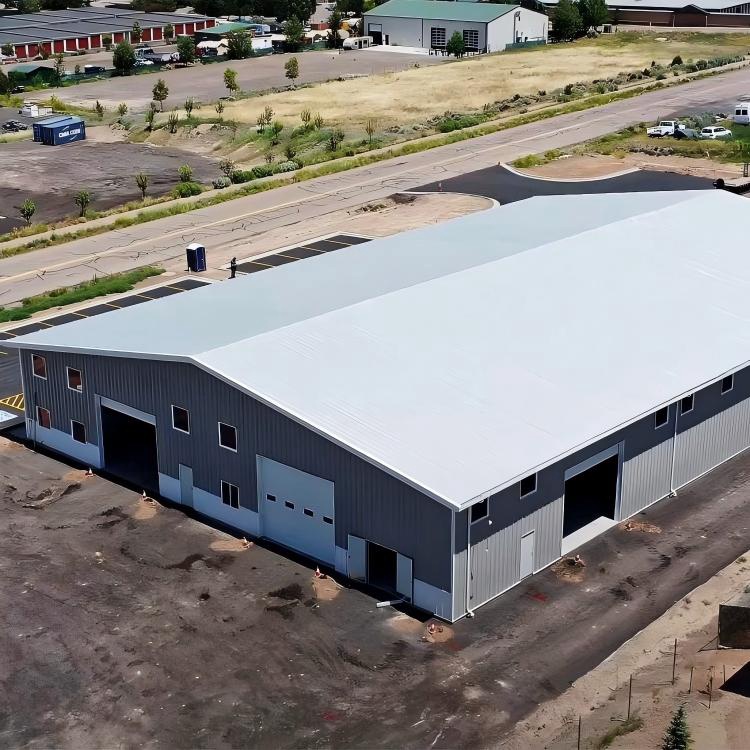
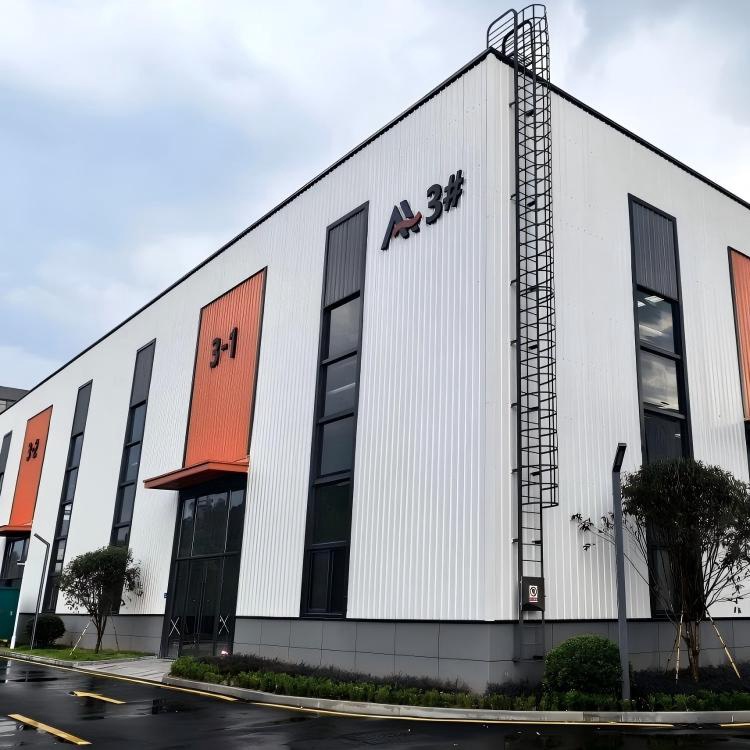
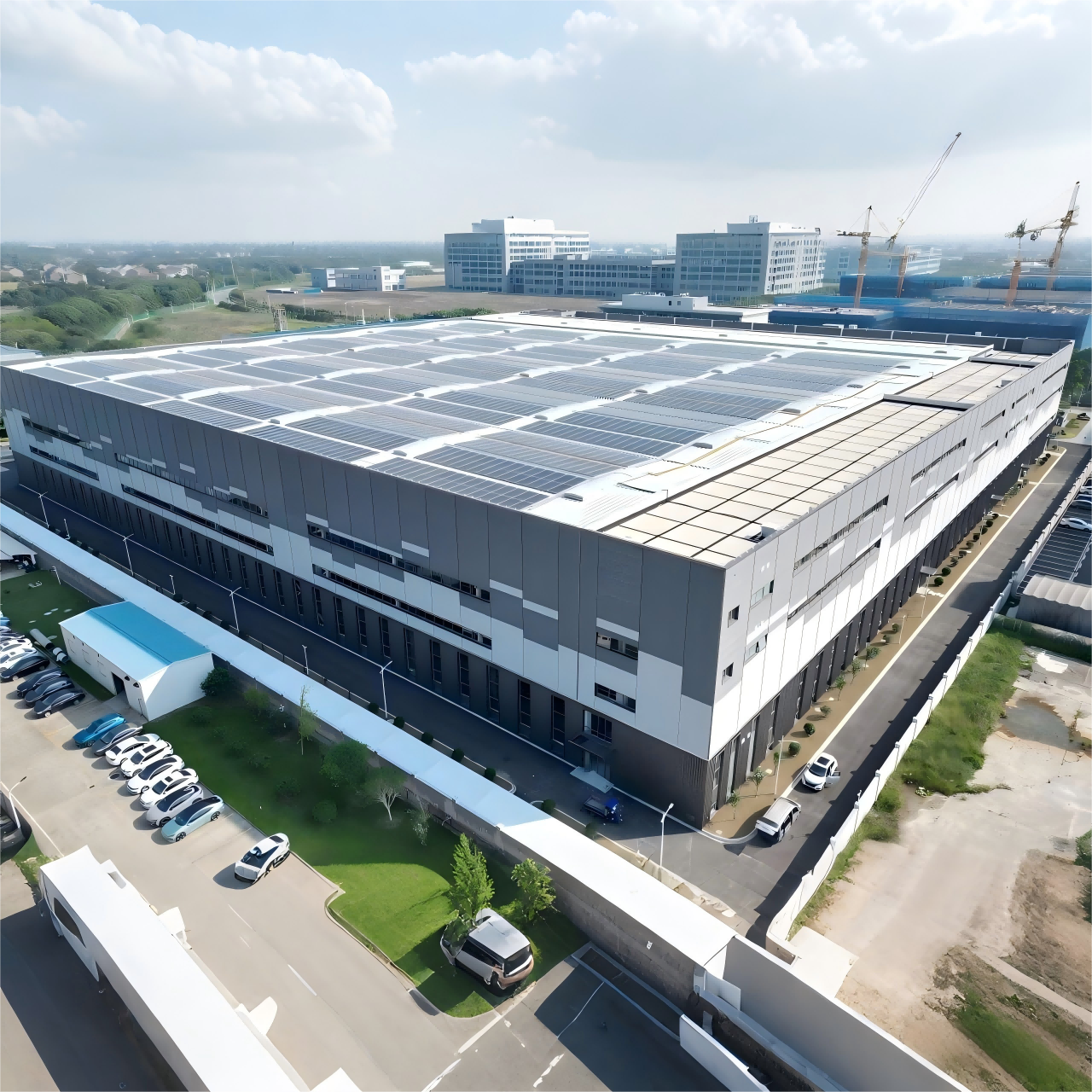
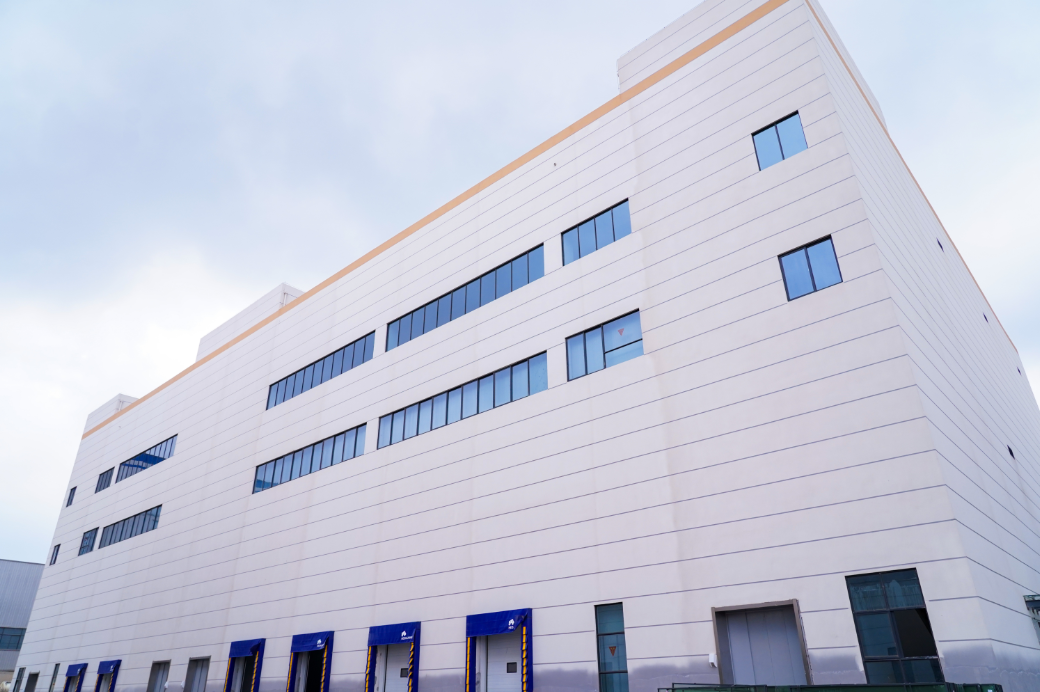
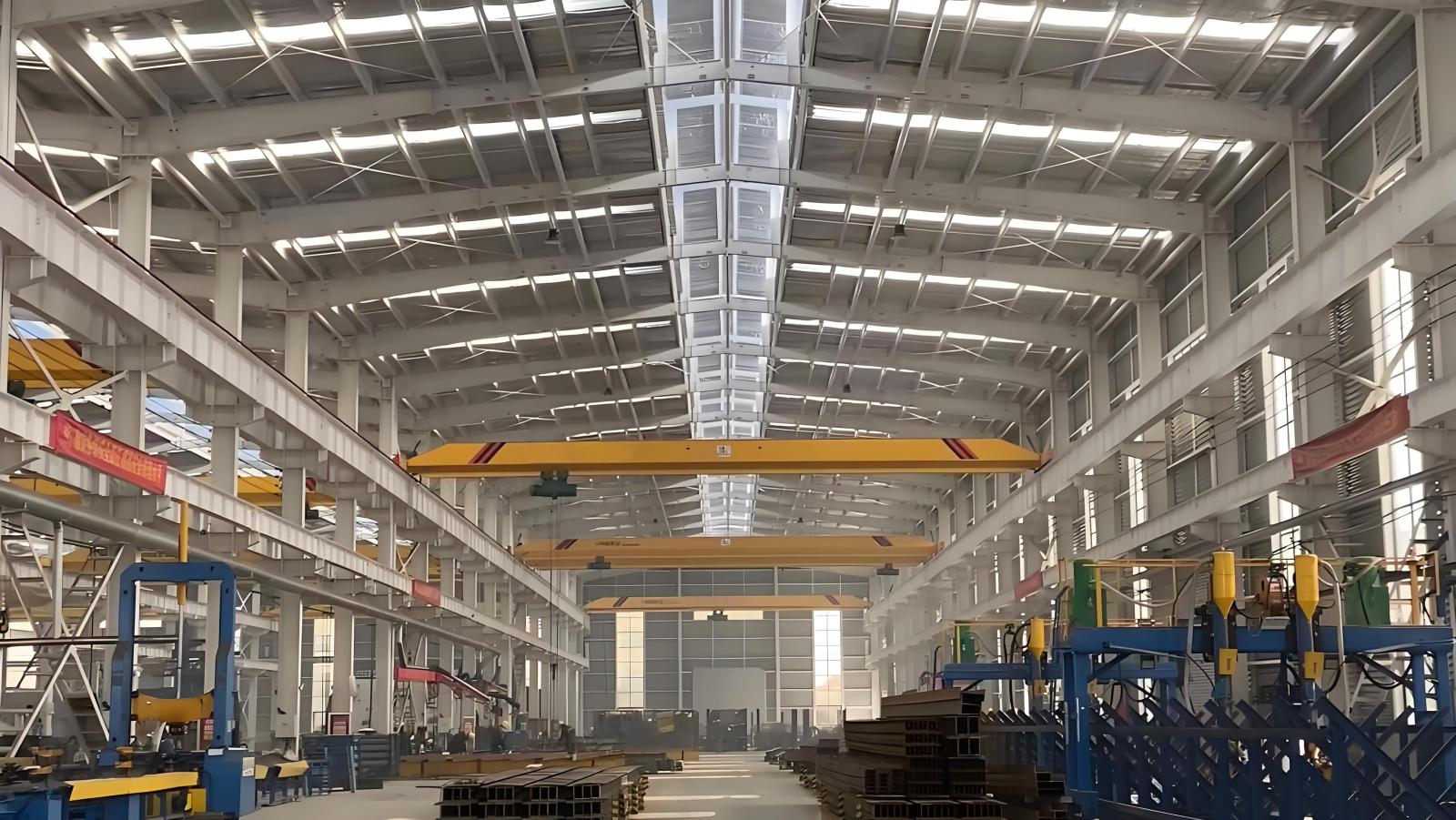
Prefabricated Steel Industrial Plant with Crane System: Heavy-Duty Operational Ready
Product Parameters
Technical Analysis and Export Specification for High-Performance Industrial Steel Structure Workshop Systems
The contemporary industrial landscape is increasingly defined by the transition from traditional construction methodologies toward pre-engineered and prefabricated steel structures. For a global foreign trade enterprise specializing in the production and processing of structural steel, providing a comprehensive and technically rigorous product detail page is essential for establishing credibility with international engineering, procurement, and construction (EPC) firms. Modern steel structure workshops represent a convergence of material science, structural engineering, and digital fabrication, offering safe, durable, and economically efficient spatial solutions for manufacturing, logistics, and assembly operations.
Structural Philosophy and Core Industrial Utility
The primary objective of an industrial steel structure is to provide a high-performance environment that maximizes usable interior volume while minimizing construction time and material waste. By leveraging the high tensile and compressive strength of steel, these structures achieve spans and clearances that are unattainable with reinforced concrete or timber.
Primary Functional Objectives
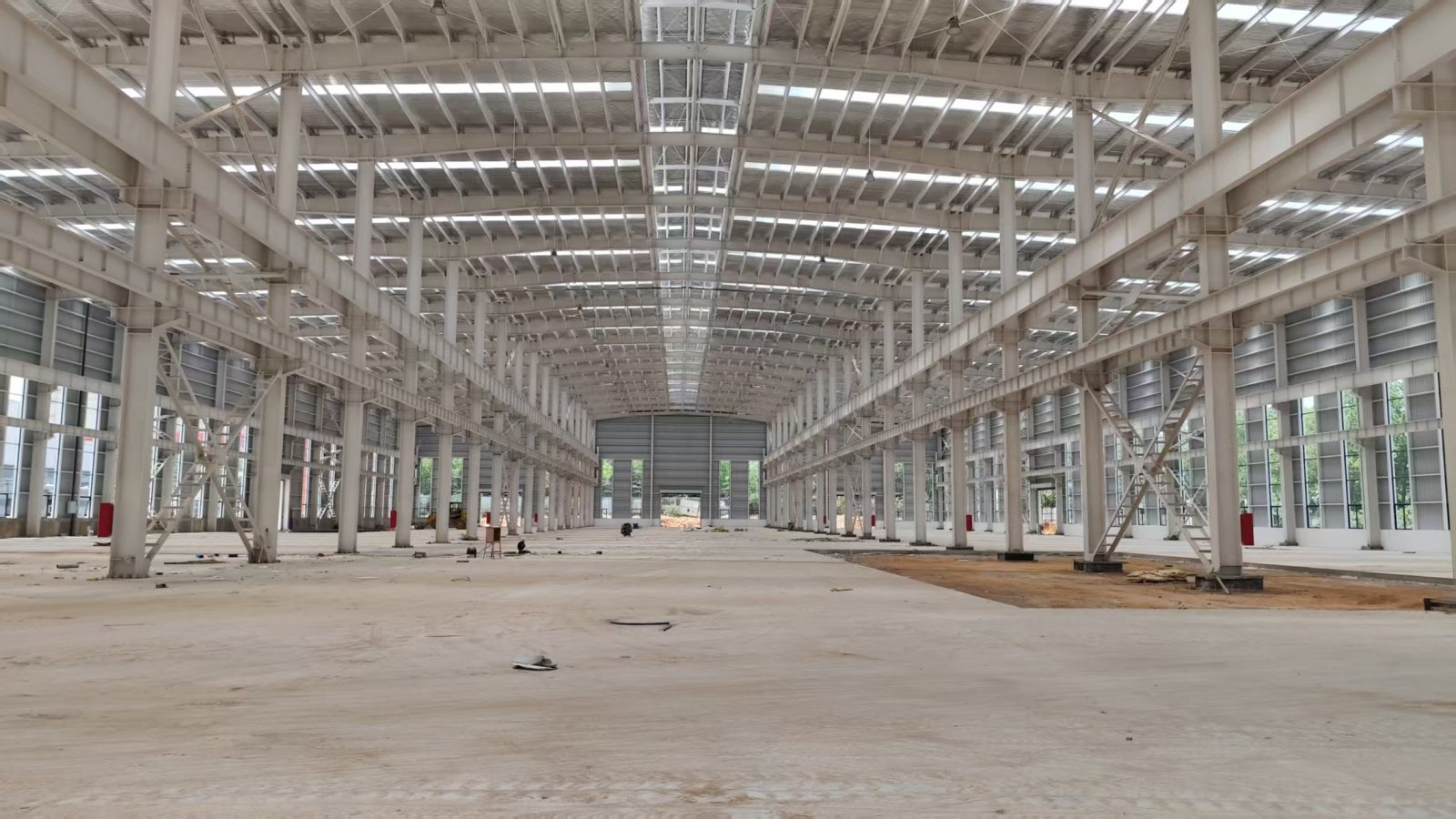
Industrial steel structures are engineered to meet the stringent demands of modern enterprise, specifically targeting the need for large-span, high-clearance environments. The use of portal frames and truss systems allows for the creation of wide-open interiors, often exceeding 60 meters in clear span without the requirement for intermediate support columns.
The economic efficiency of these buildings is derived from their prefabricated nature. Components are engineered and manufactured in a controlled factory environment concurrently with on-site foundation work, leading to a total project timeline reduction of approximately 20% to 40% compared to traditional masonry or concrete builds.
Strategic Application Scenarios in Global Trade
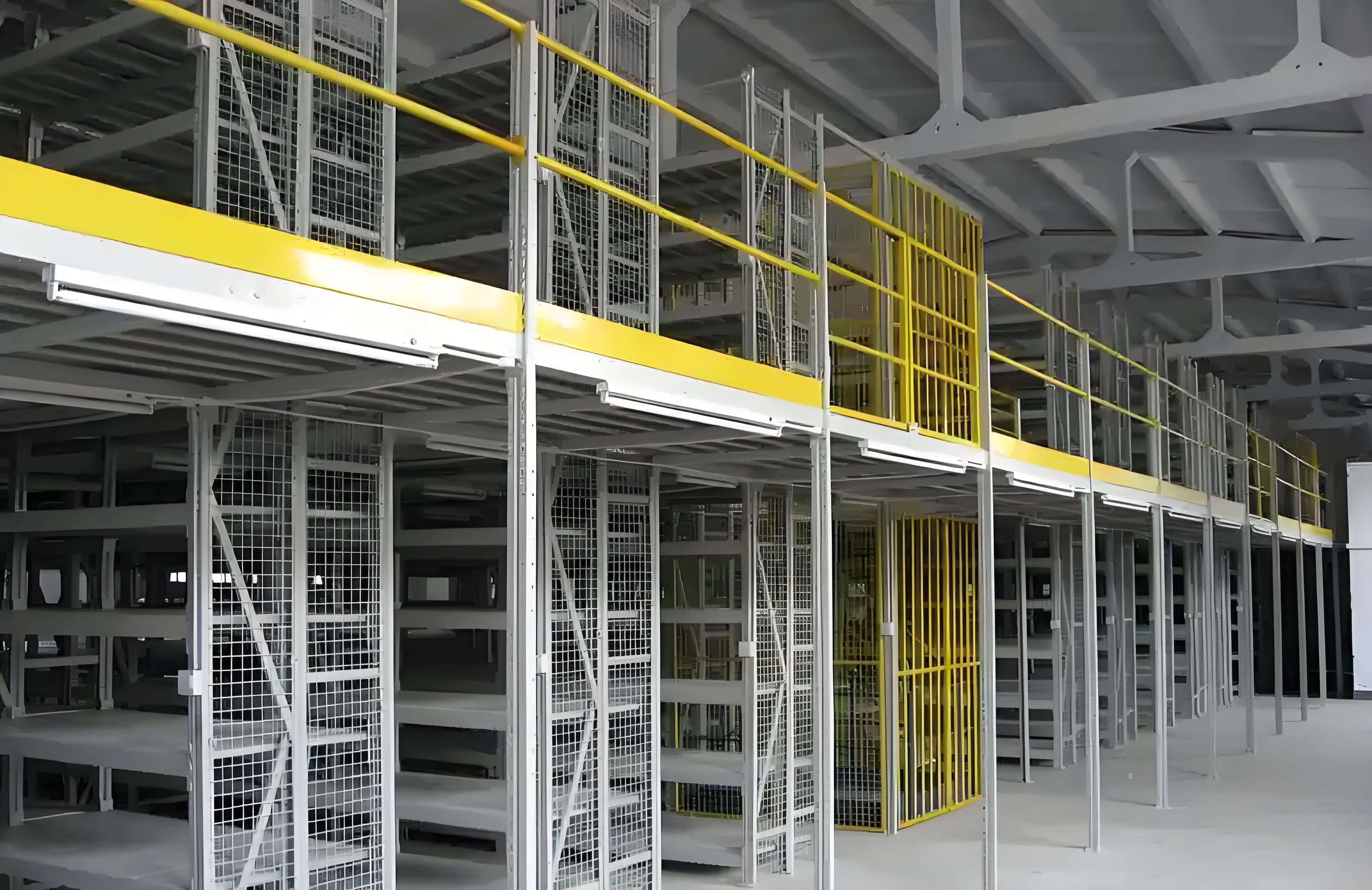
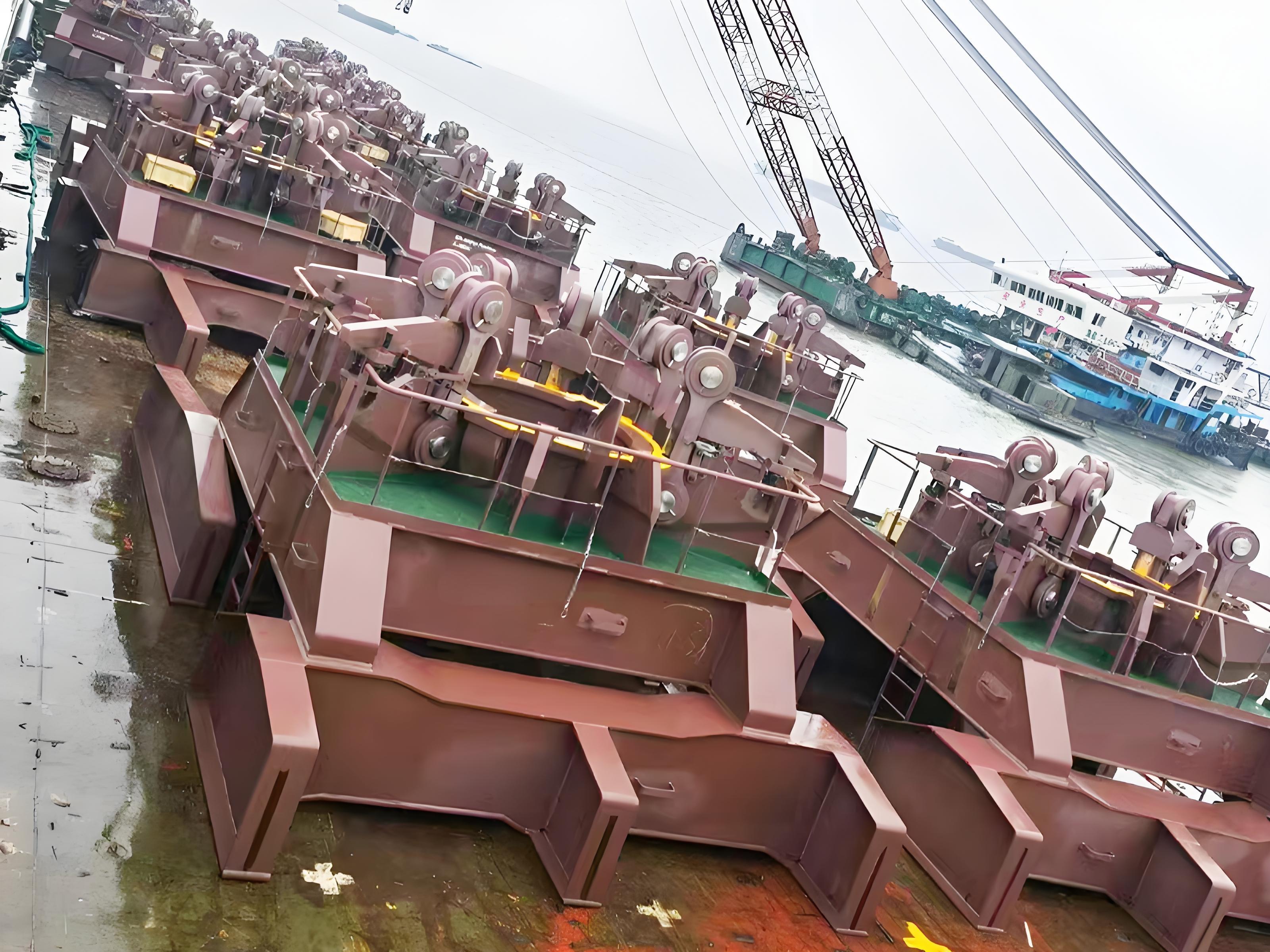
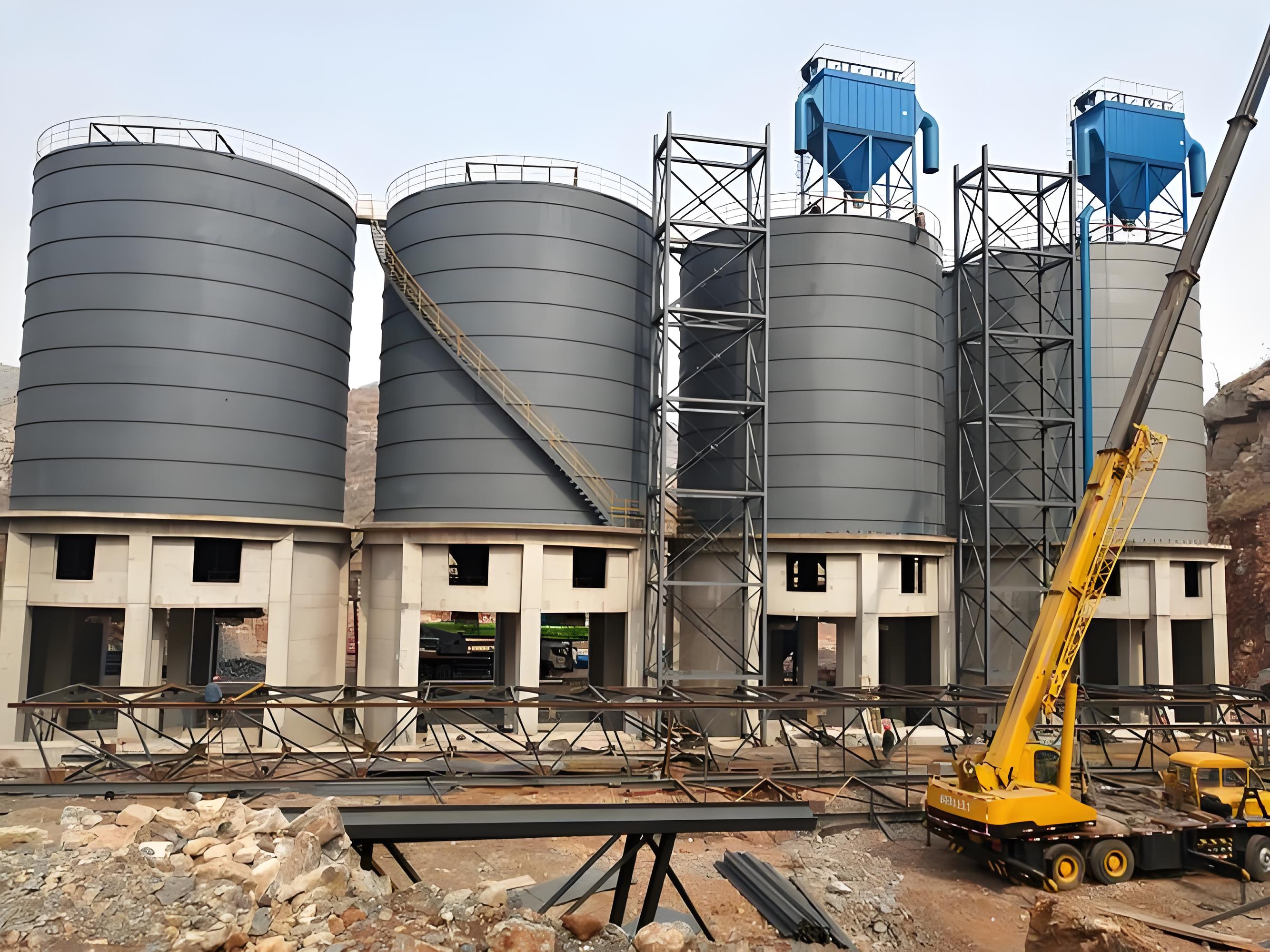
The versatility of steel structure workshops makes them suitable for a broad spectrum of industrial and commercial applications. The design can be tailored specifically to the operational workflow of the client, whether the facility is intended for high-rack storage or complex chemical processing.
The adaptability of the steel frame allows for future modifications. As businesses grow, steel workshops can be extended or relocated with far greater ease than concrete structures, providing long-term strategic flexibility for global enterprises.
Environmental Adaptation and Climatic Resilience
Export-oriented steel structures must be engineered to withstand a diverse range of global climatic conditions. From the high-velocity winds of typhoon regions to the extreme temperature fluctuations of arid or sub-arctic environments, the structural and material specifications are adjusted to ensure long-term stability and safety.
Seismic and Wind Resistance
Structural flexibility is a primary advantage of steel in seismic zones. Unlike rigid concrete, steel has high ductility, allowing the structure to absorb and dissipate seismic energy without catastrophic failure.
Thermal Management in Extreme Temperatures
The performance of steel in extreme temperatures is managed through specific material selection and sophisticated enclosure systems. In freezing regions, low-temperature brittle fracture is a primary concern. Engineers specify steel grades such as Q355D or Q355E, which undergo Charpy V-notch impact testing at -20℃ and -40℃ respectively, ensuring the material retains its toughness in sub-zero environments.
Corrosion Protection in Harsh Environments
For projects in coastal or high-salinity areas, corrosion is the primary threat to structural longevity. Anti-corrosion is achieved through hot-dip galvanization or high-performance paint systems.
Engineering Specifications and Technical Parameters
A professional product detail page must present the fundamental parameters that govern the design and fabrication of the structure. These parameters allow the client’s technical team to verify compatibility with their operational needs and local building codes.
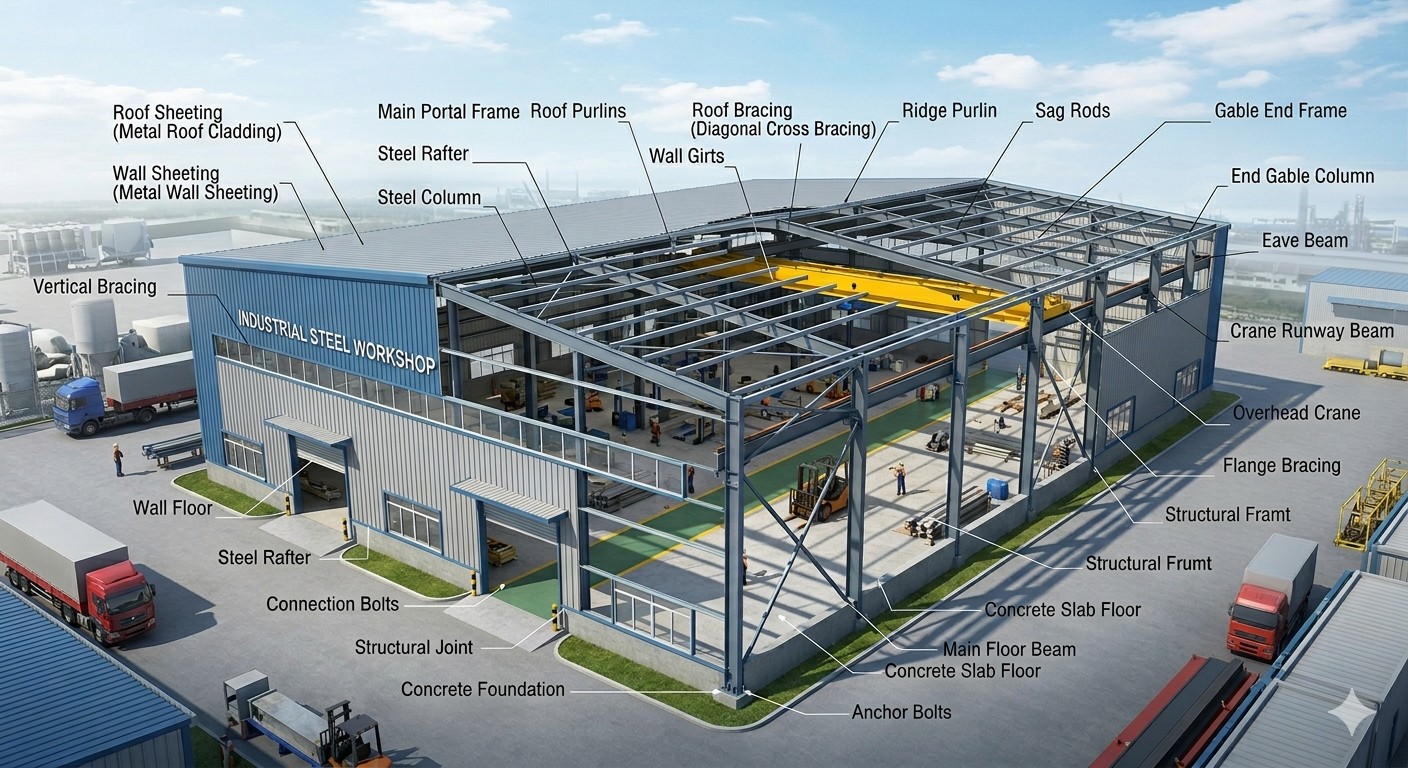
Advanced Load Calculations
Structural engineers utilize the Principles of Limit State Design (LSD) as outlined in international standards like Eurocode 3 (EN 1993) or AISC 360.
Where Ed considers the most unfavorable combination of dead loads (cladding, steel weight), live loads (personnel, equipment), and environmental loads (wind, snow, seismic).
Structural Components and Raw Materials
The quality of an industrial workshop is fundamentally tied to the raw materials used in its construction. The selection of steel grades and enclosure materials dictates the building's performance in terms of strength, insulation, and fire safety.
Primary Framing: The Skeletal System
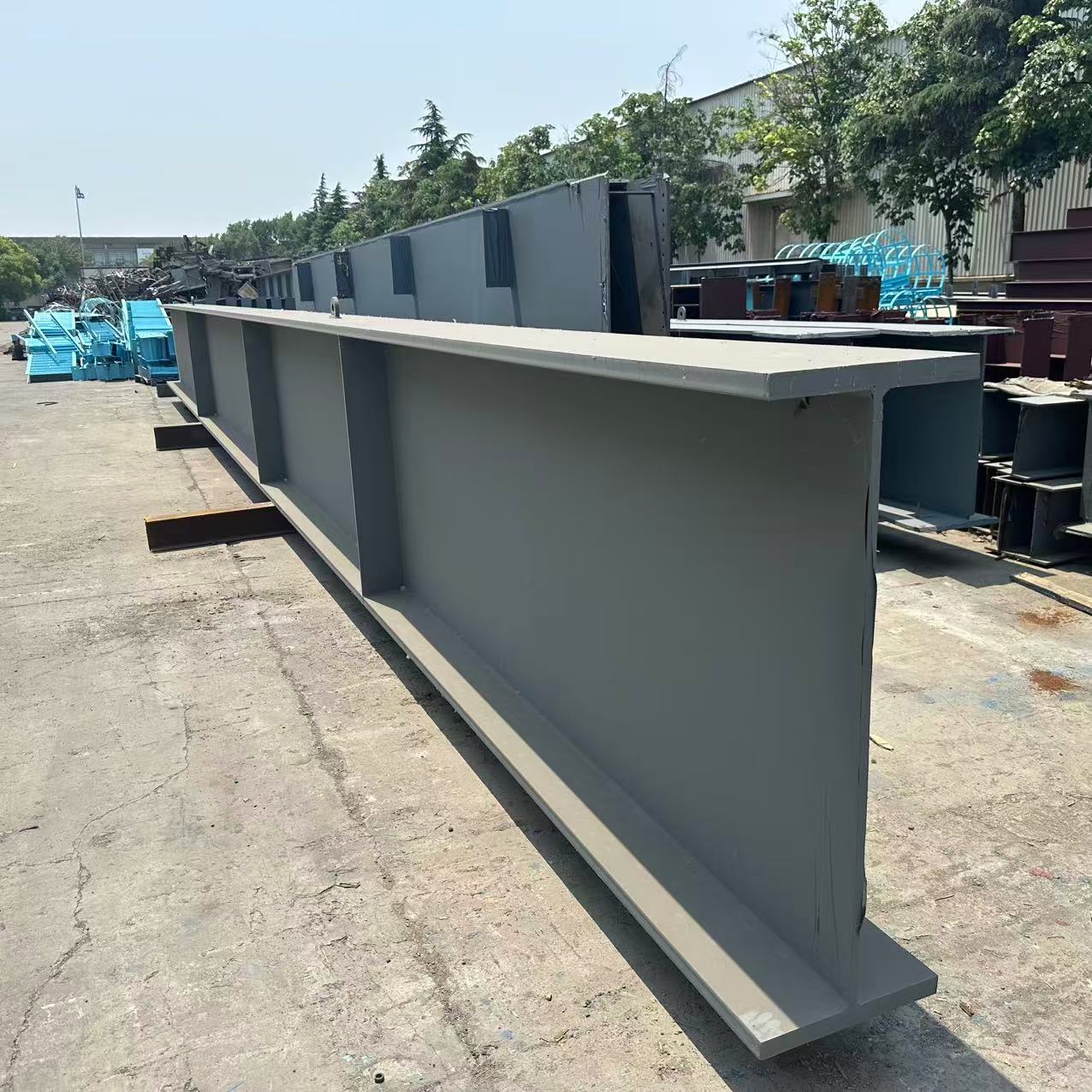
The primary load-bearing frame consists of columns and beams that form the building's backbone. These are typically fabricated from welded H-section steel or hot-rolled structural shapes.
Steel Grades: For global export, Q355B (equivalent to S355JR) is the most common material due to its high yield strength (≥355 MPa) and excellent weldability.
For heavy-duty industrial platforms or regions with extreme cold, Q355D or Q355E is specified to prevent brittleness. Fabrication Process: Components undergo grit-blasting to Sa2.5 grade to remove rust and scale before the application of primer.
Welding is performed by certified technicians using submerged arc or gas-shielded processes to ensure structural integrity.
Secondary Framing and Support
The secondary structure provides the necessary rigidity and supports the wall and roof systems.
Purlins and Girts: These are cold-formed C or Z-section steel members, usually galvanized for corrosion resistance. They transfer the load from the cladding to the primary frame.
Bracing Systems: Consisting of rod, angle, or tube bracing in the roof and walls, this network transfers lateral forces (wind and seismic) to the foundation, preventing structural racking.
Thermal Expansion Joints: In large-span workshops exceeding 120-150 meters in length, expansion joints are integrated to accommodate thermal movement.
The movement is calculated as: 

Enclosure and Insulation Systems
The cladding system defines the building's internal environment and aesthetic appearance. Modern industrial projects prioritize energy efficiency and fire safety through the use of sandwich panels.
Customization Workflow and Engineering Documentation
A critical differentiator for an export-focused foreign trade company is the ability to provide tailored engineering solutions. Customization ensures that the structure fits the specific site conditions and operational requirements of the client.
The Digital Twin and BIM Integration
The customization process relies on advanced Building Information Modeling (BIM) using software such as Tekla Structures and AutoCAD.
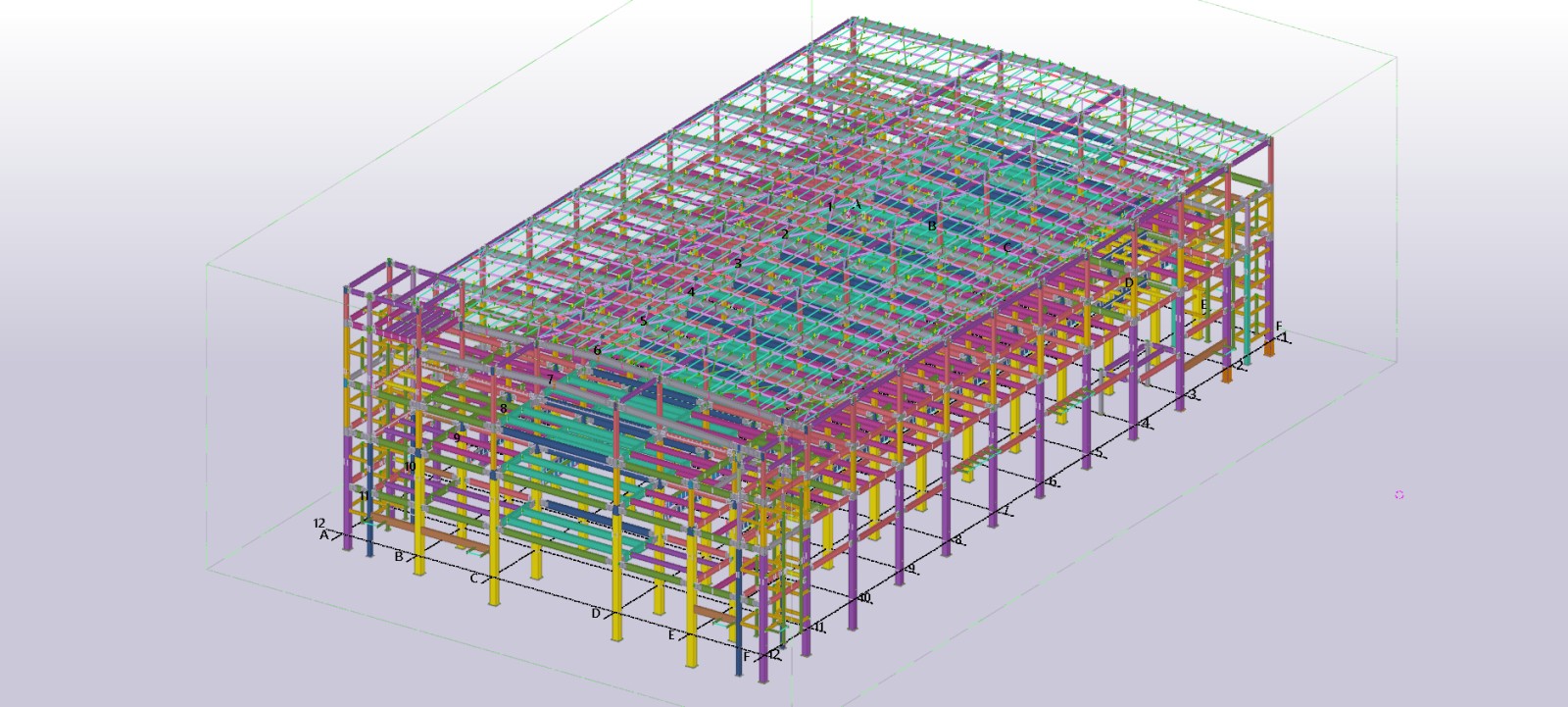
Structural Drawing Deliverables
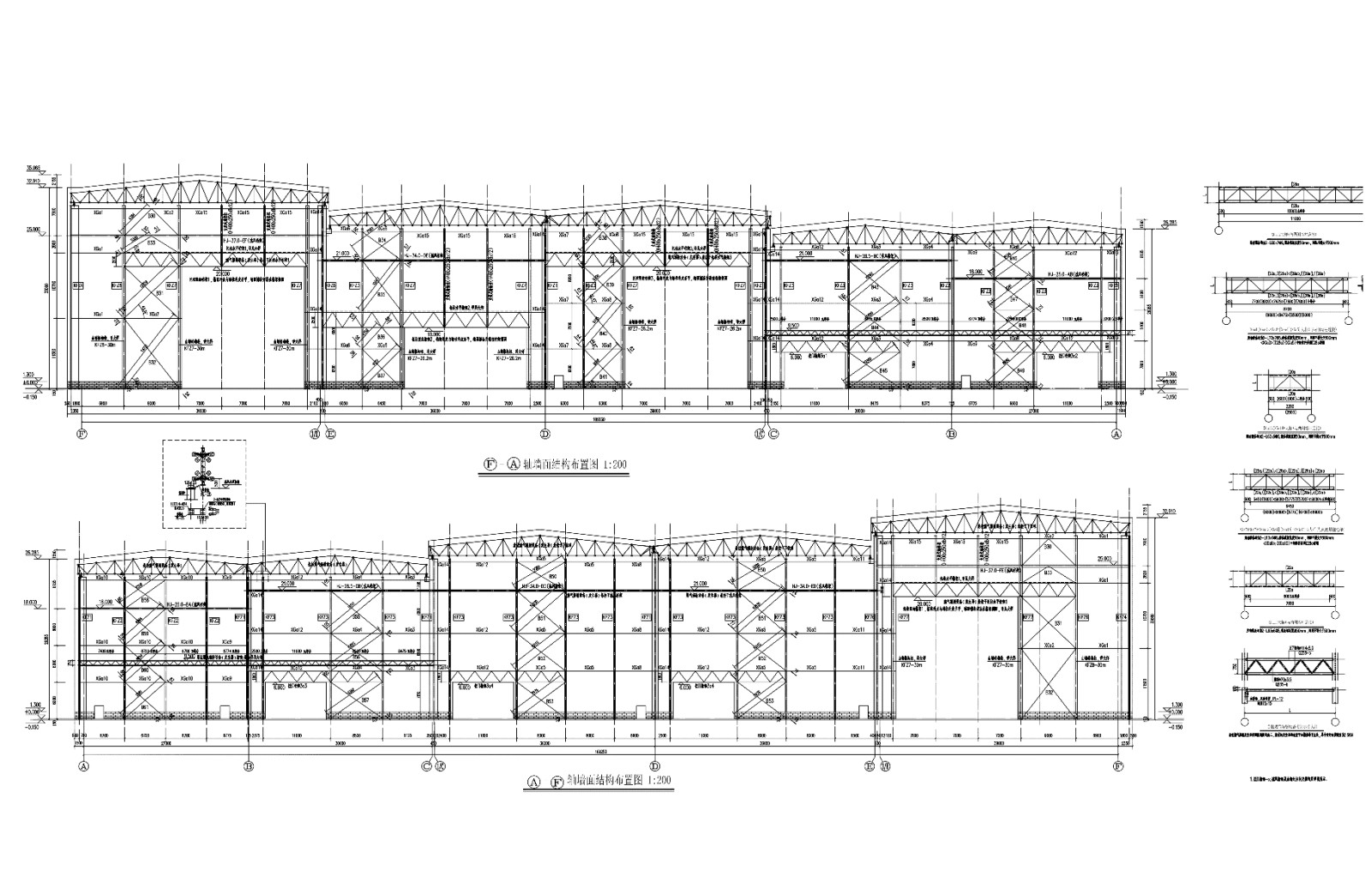
Clients and regulatory bodies require a comprehensive suite of drawings for approval, fabrication, and erection.
General Arrangement (GA) Drawings: These provide the overall layout, grid marks, and plan views of the building, showing the placement of all primary and secondary members.
Shop / Fabrication Drawings: These are the "blueprints" for the factory, detailing cutting patterns, hole locations, welding symbols, and exact dimensions for every single steel component.
Erection Drawings: These guide the construction team on-site, providing step-by-step instructions on the sequence of assembly, bolt torque requirements, and connection details.
Material Schedules: A complete Bill of Materials (BOM) that lists every part number, size, weight, and grade, facilitating clear communication and inventory management.
Overseas Project Case Studies and EPC Success
The ability to execute projects internationally is demonstrated through successful case studies. These projects highlight the company's capacity to navigate complex logistics and regional engineering standards.
Case Narrative: High-Span Logistics in Thailand
In Thailand, a massive industrial complex measuring 60m x 155m x 8m was developed as a flagship warehouse and workshop facility.
Case Narrative: Industrial Versatility in Australia
A 2025 project in Australia featured a 25m x 50m x 8m main hall designed as a steel workshop, including a unique two-story annex for administrative use.
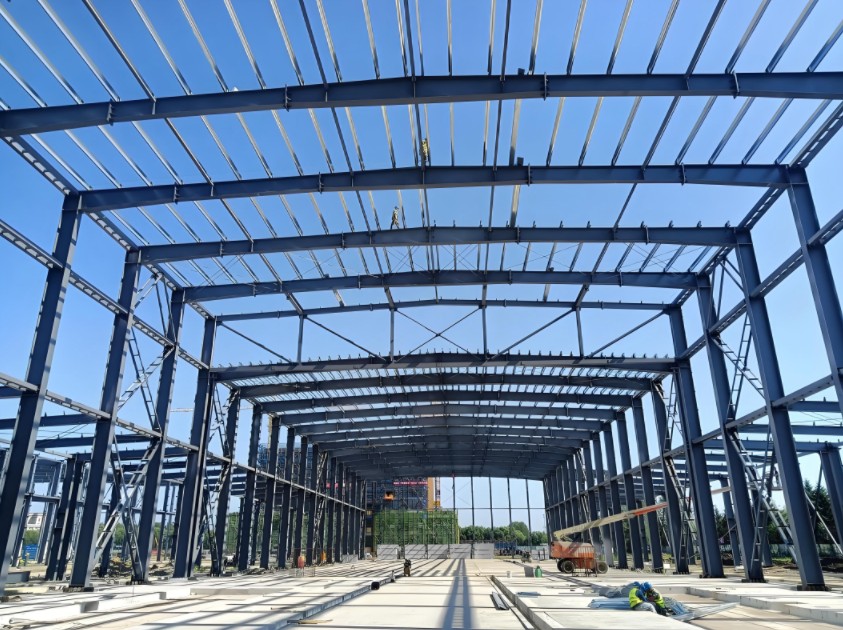
Pre-factory Quality Acceptance Standards
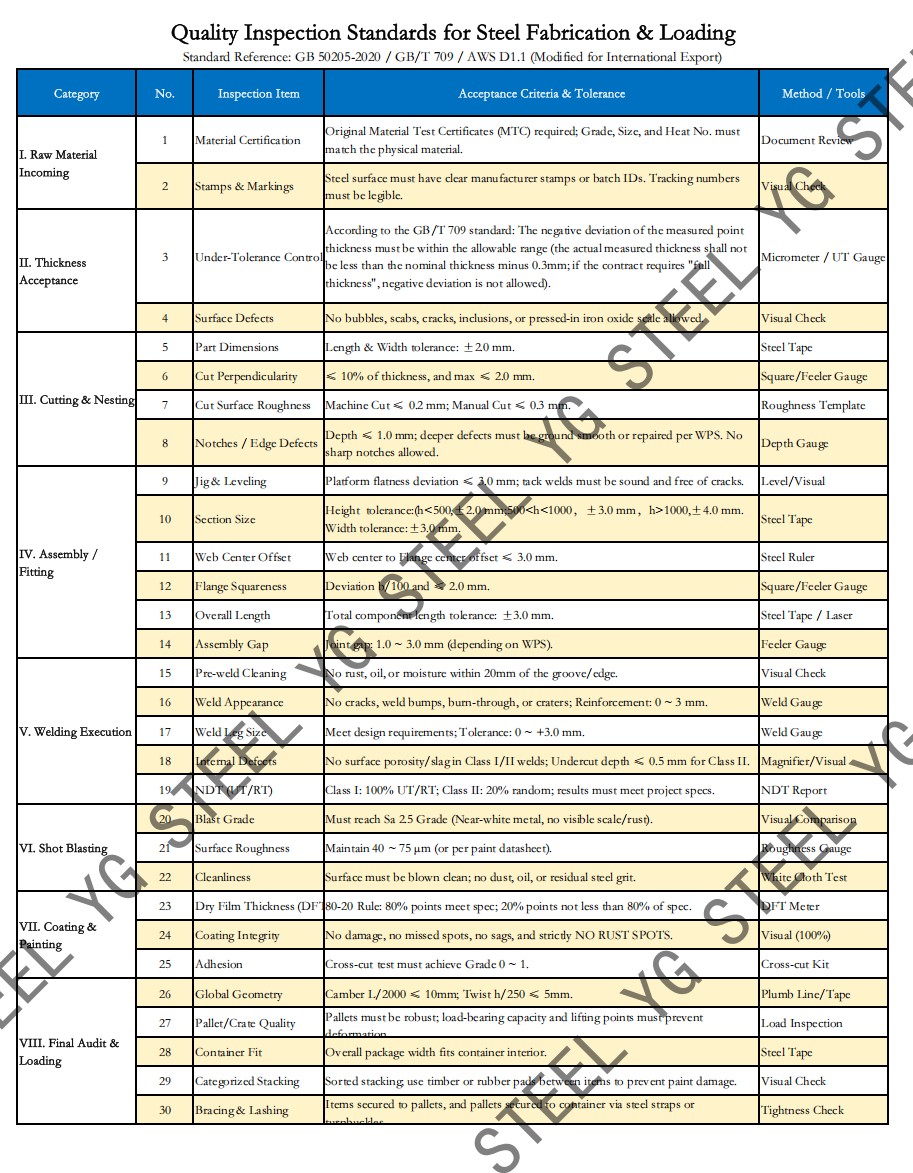
To guarantee structural integrity and long-term durability, our QC team strictly adheres to a 30-point inspection protocol:
Fabrication Precision: Cutting and assembly tolerances are strictly limited to ±2.0 mm.
Welding Integrity: 100% visual inspection and NDT (UT/RT) for critical structural joints.
Surface Protection: Sa 2.5 blast cleaning and precise DFT (Dry Film Thickness) testing.
Export Packaging: Reinforced steel frames and timber blocking are used to prevent movement during sea freight.
......
Logistics, Packaging, and Global Delivery
The success of an export project depends heavily on the integrity of the logistics and packaging process. Seaworthy packaging standards are employed to prevent damage during maritime transport and long-term outdoor storage.
Seaworthy Packaging Standards
To combat the eroding effects of salt air and humidity, structural steel components are protected using a multi-layered approach.
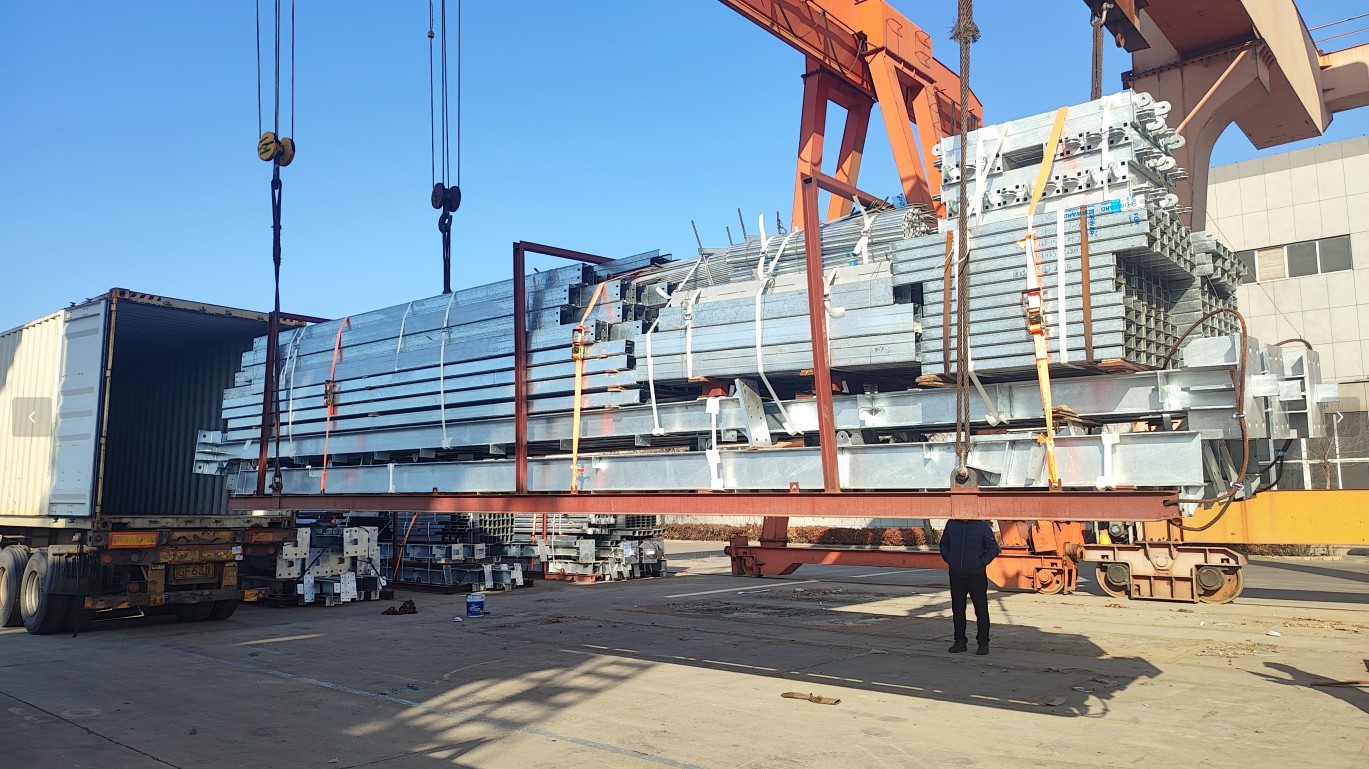
Bundling and Strapping: Primary columns and beams are bundled in uniform lengths and secured with un-annealed steel straps. Rubber padding is placed under the straps to prevent damage to the surface coating.
Anti-Corrosion Wrapping: Sensitive components and high-value materials are wrapped in VCI (Volatile Corrosion Inhibitor) film or heavy-duty shrink wrap, creating a moisture-resistant barrier.
Crating for Small Parts: Bolts, accessories, and windows are packed in ISPM-15 certified heat-treated wooden crates, with waterproof liners and silica gel desiccants inside to prevent oxidation.
Container Loading and EPC Management
Engineering teams optimize the design of structural members to fit within standard 40' High Cube or Open Top containers, maximizing space utilization and reducing freight costs.
Company Overview
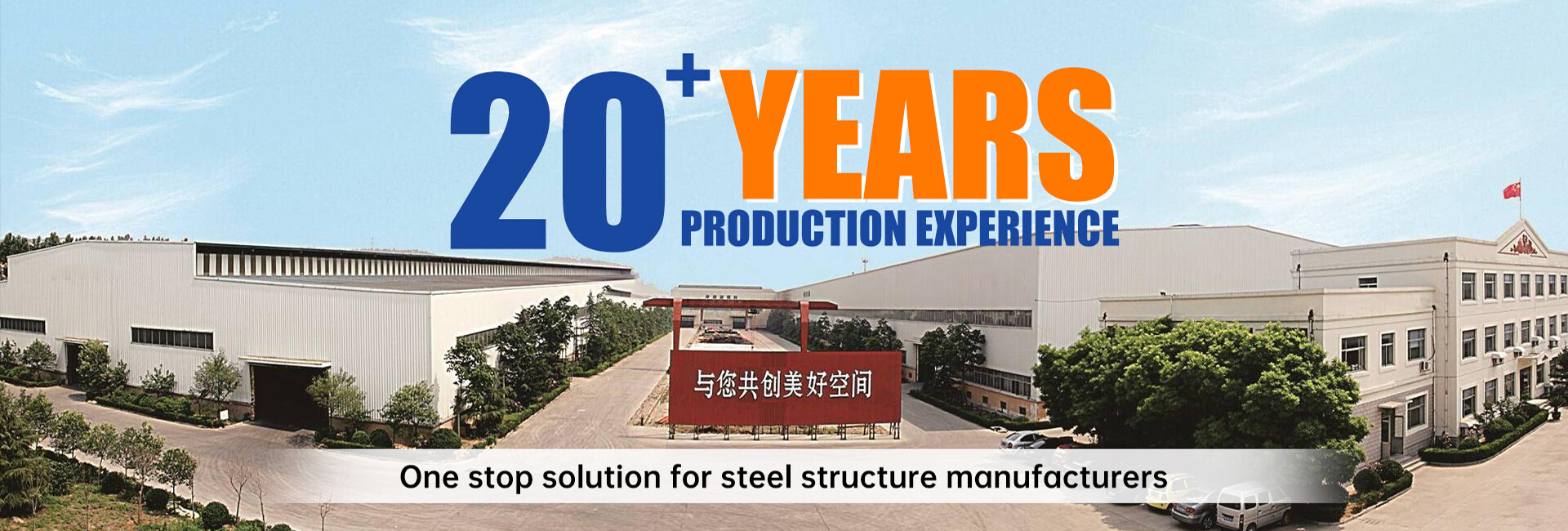
Shandong Guoyu Steel Structure Co., Ltd. (GY Steel Structure) is a premier, engineering-driven steel fabrication enterprise with over two decades of design and manufacturing excellence. Driven by an elite in-house engineering team, we specialize in advanced Tekla 3D modeling, structural optimization, and turnkey solutions compliant with global building codes (including AISC, AWS, and EN standards). Headquartered in Dongying, China, our 100,000㎡ state-of-the-art production base operates multiple advanced light and heavy steel production lines, yielding an annual capacity of 50,000 tons. From heavy-duty industrial plants and multi-storey commercial complexes to steel structure bridges and municipal infrastructure, GY Steel Structure provides global contractors and developers with high-precision, code-compliant, and cost-effective structural steel solutions.
Technical Details
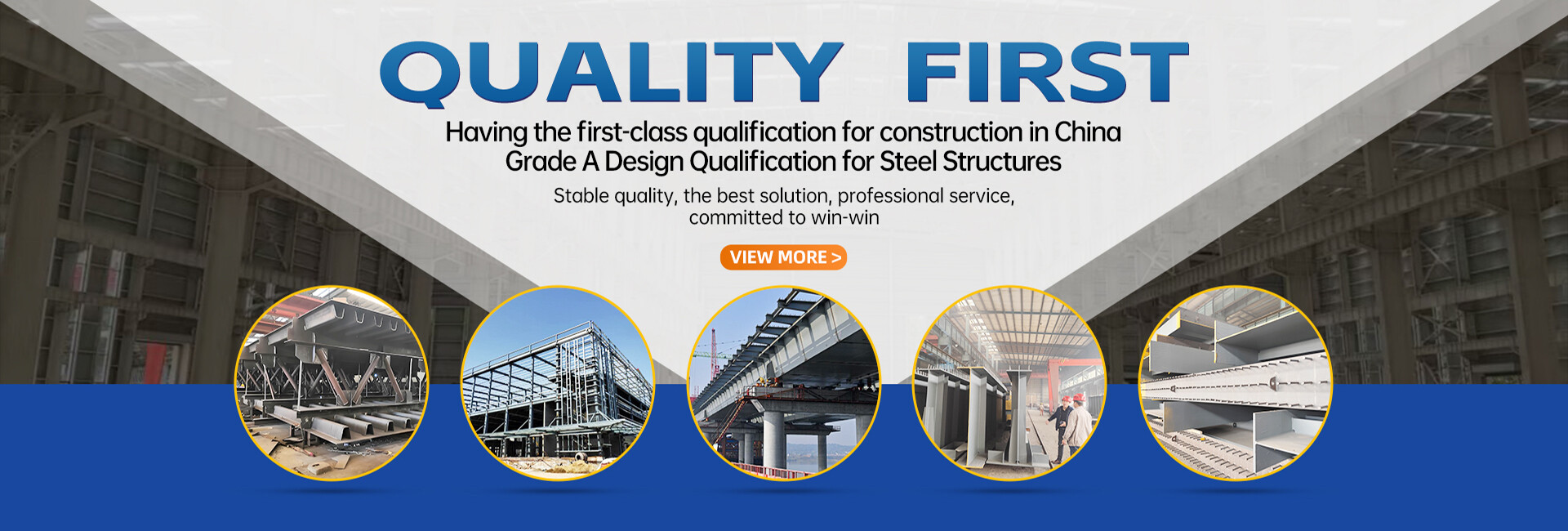
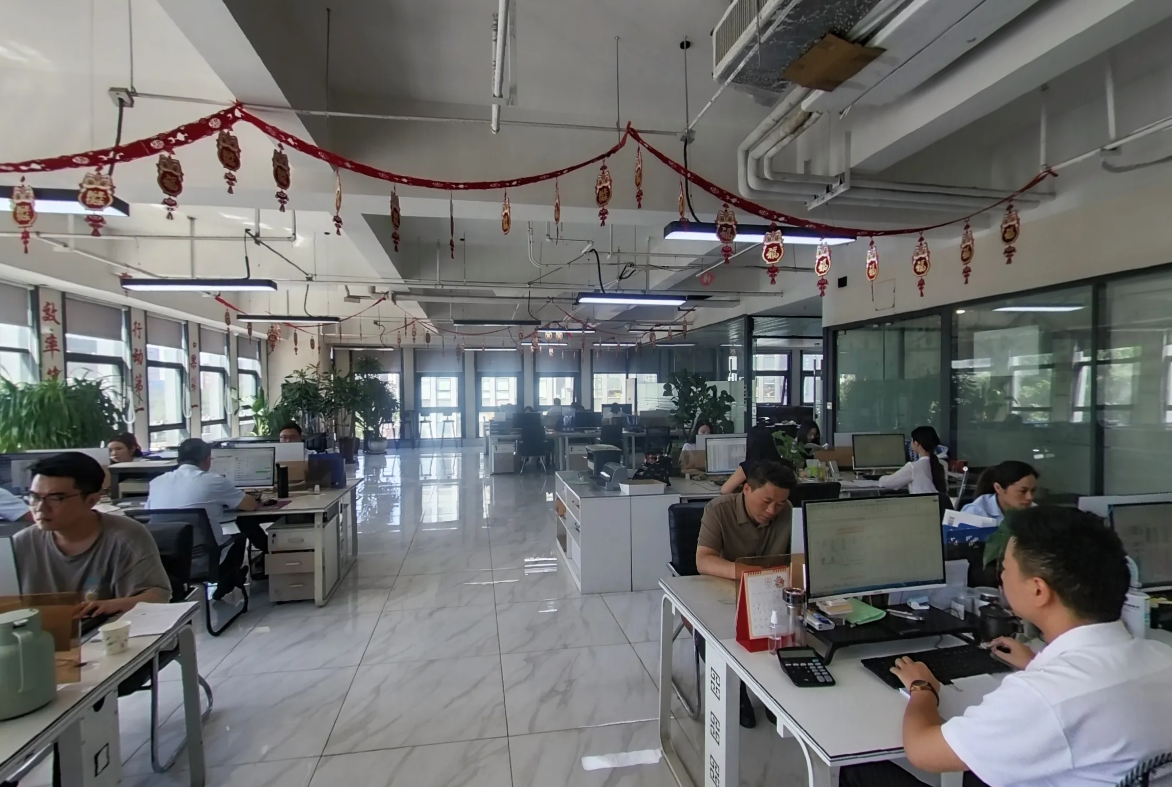
We have a designing department, with more than 30 experienced designers who have abundant practical experience to complete the structural design of various buildings including industrial plants, warehouses, civil and commercial assembly buildings, venues and exhibition centers, steel structure bridges and other steel structure main projects. The structure is reasonable and the steel consumption is cost-effective.
Application scenarios
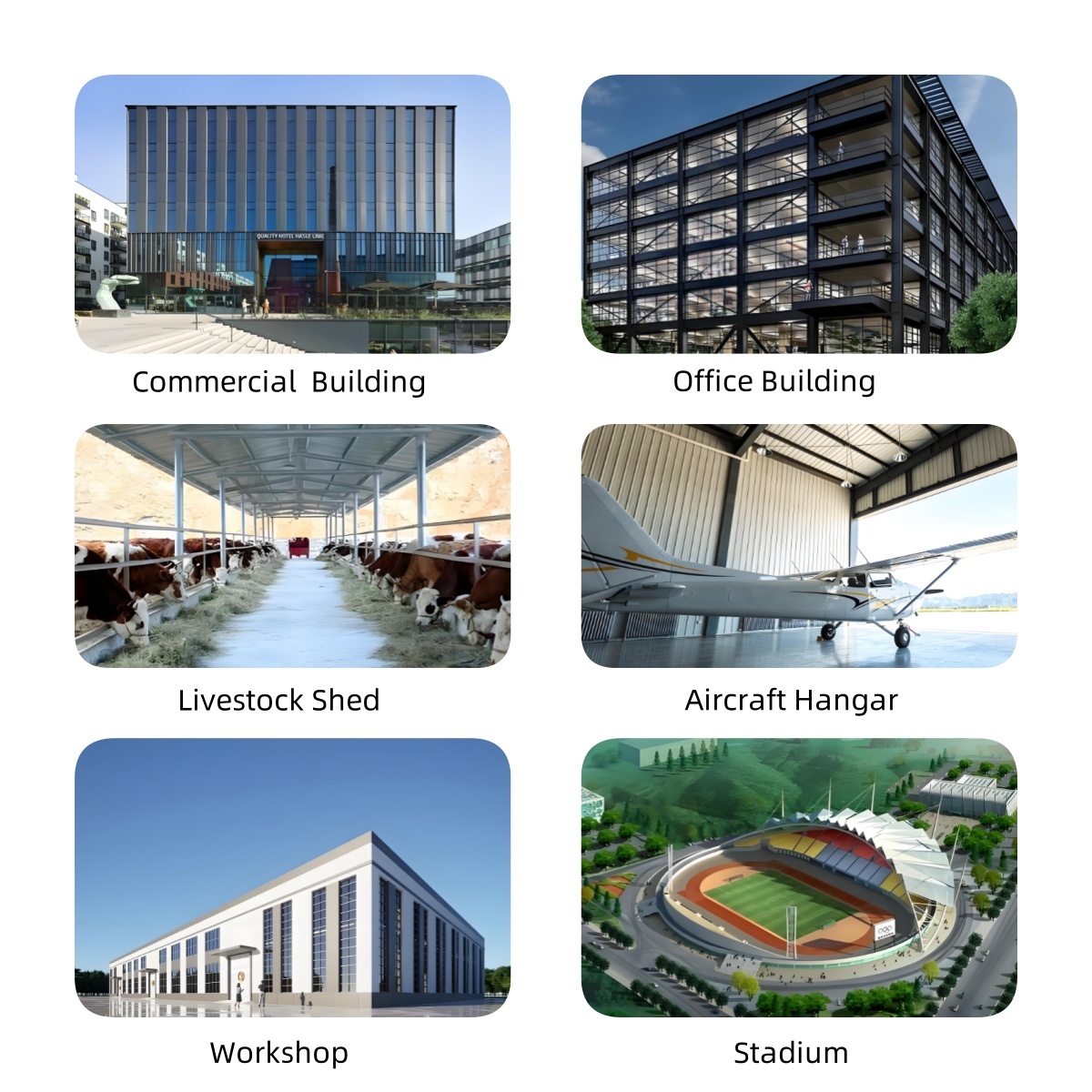
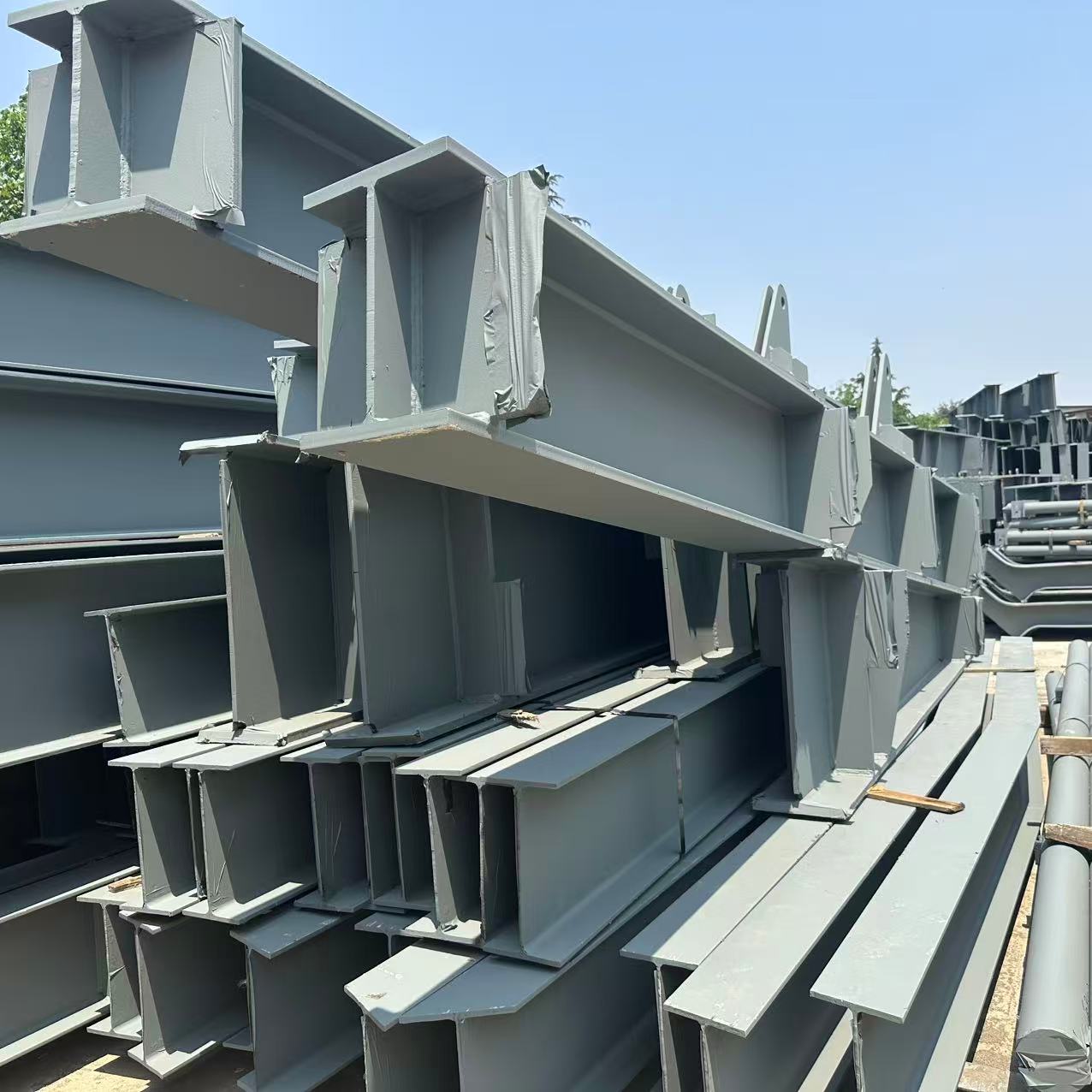
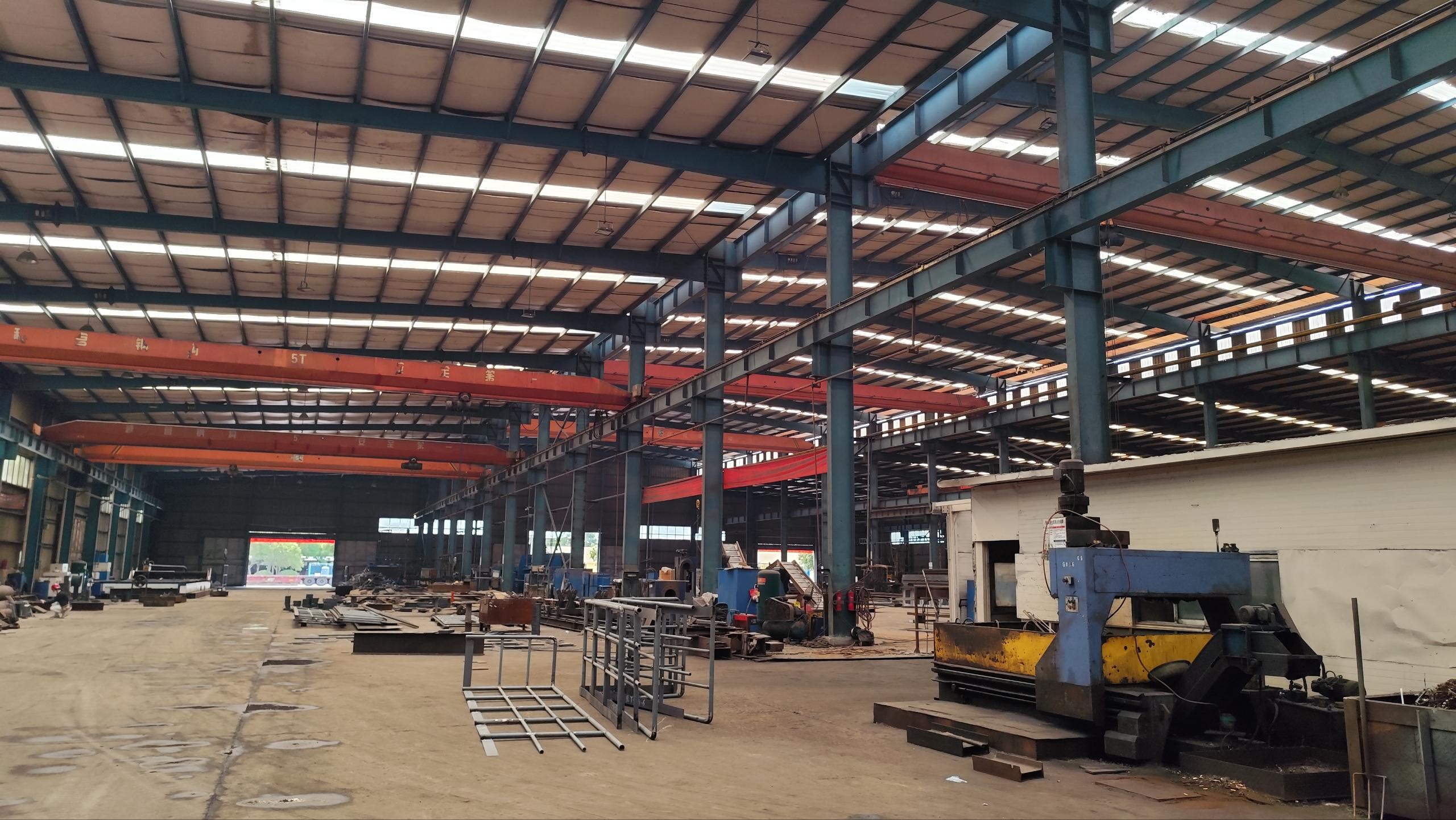
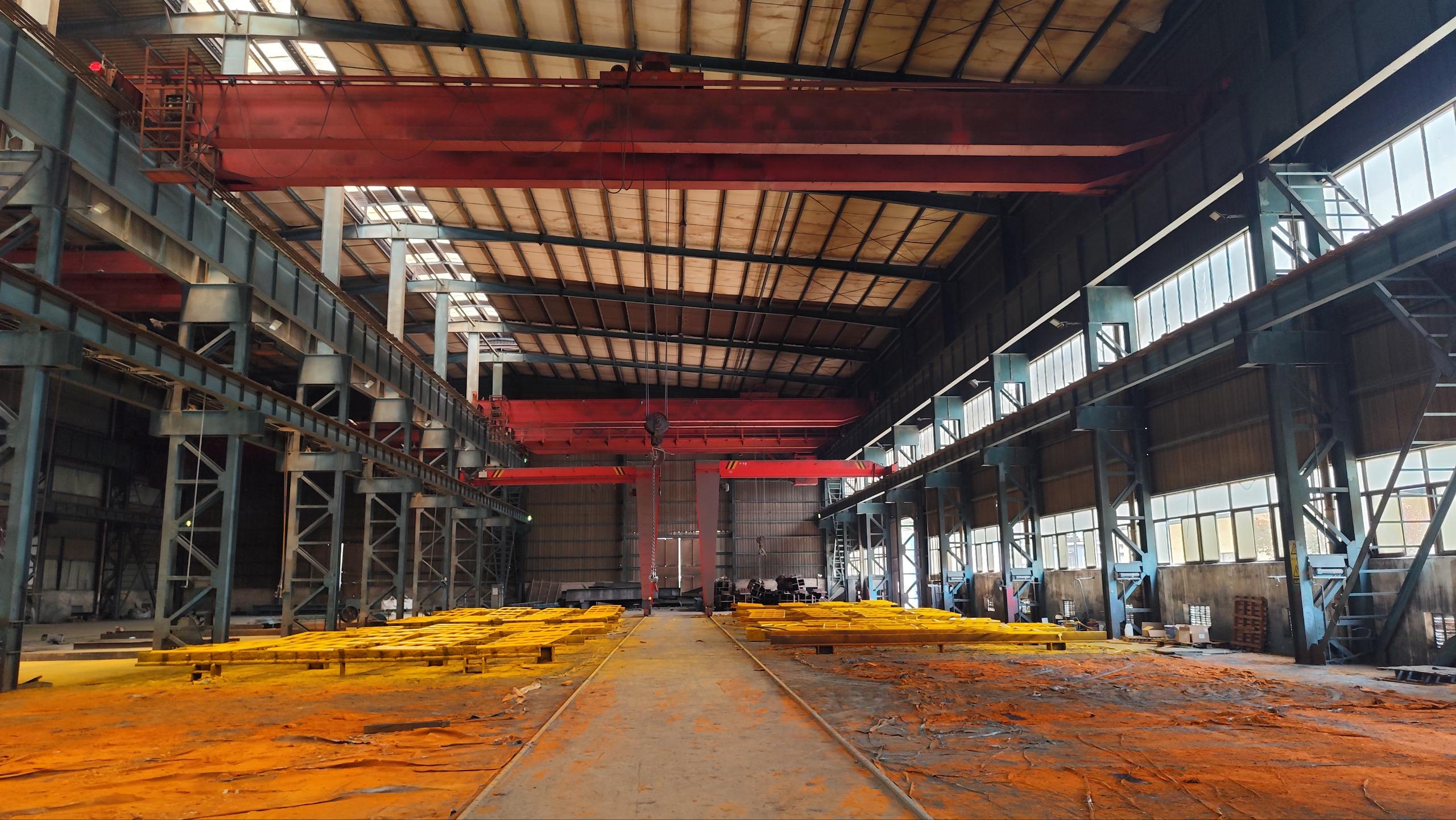
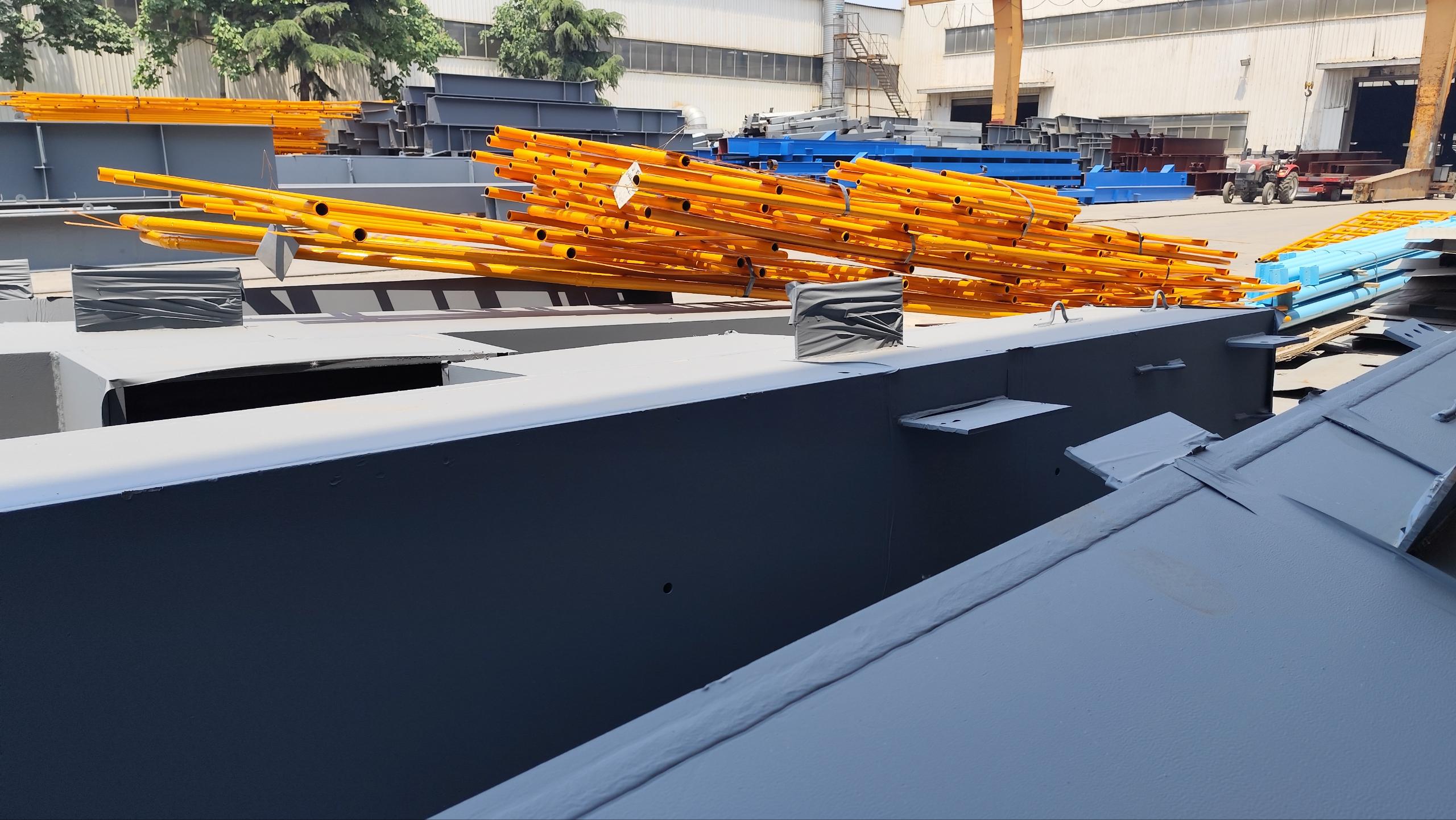
Factory Display
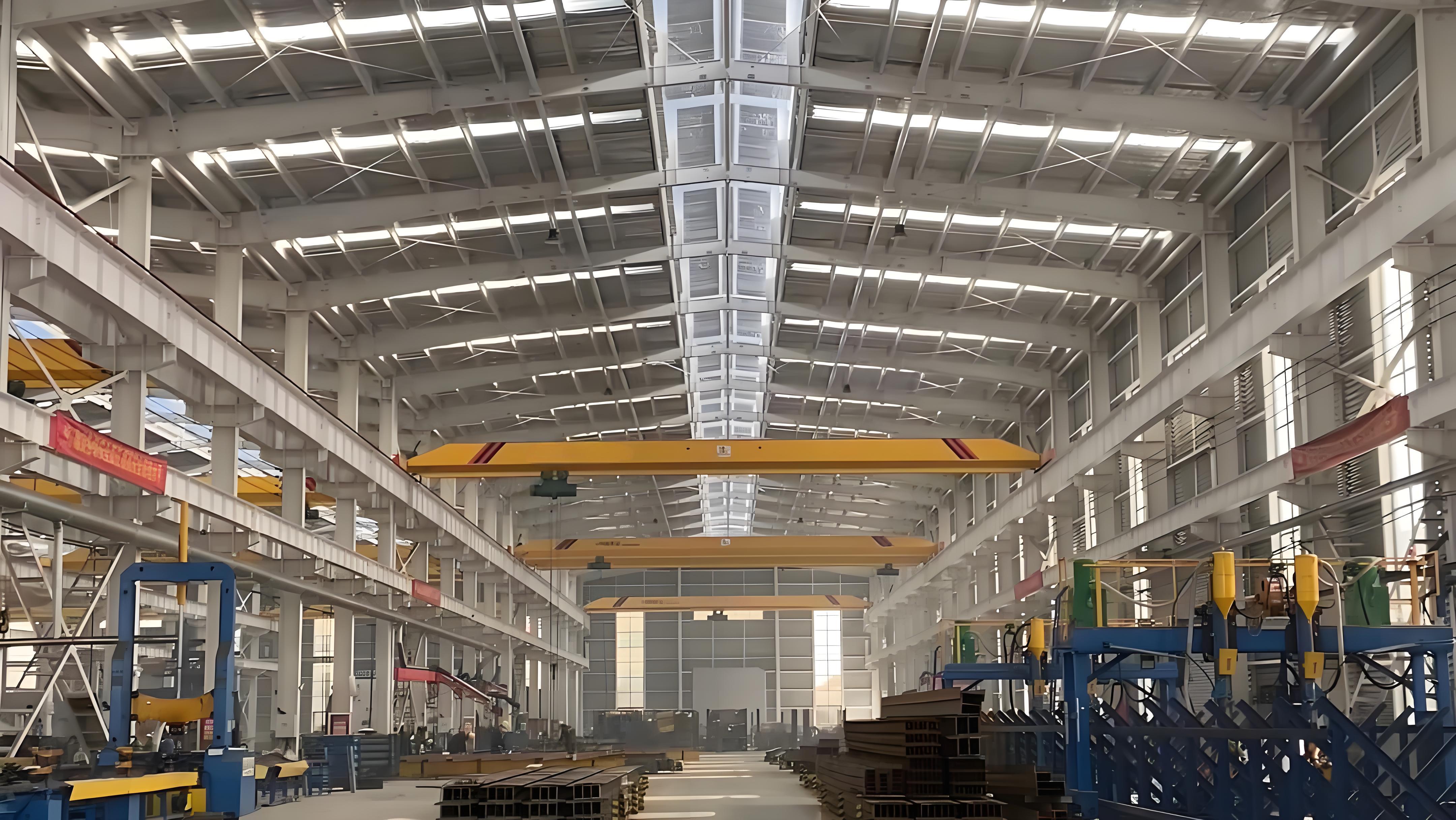
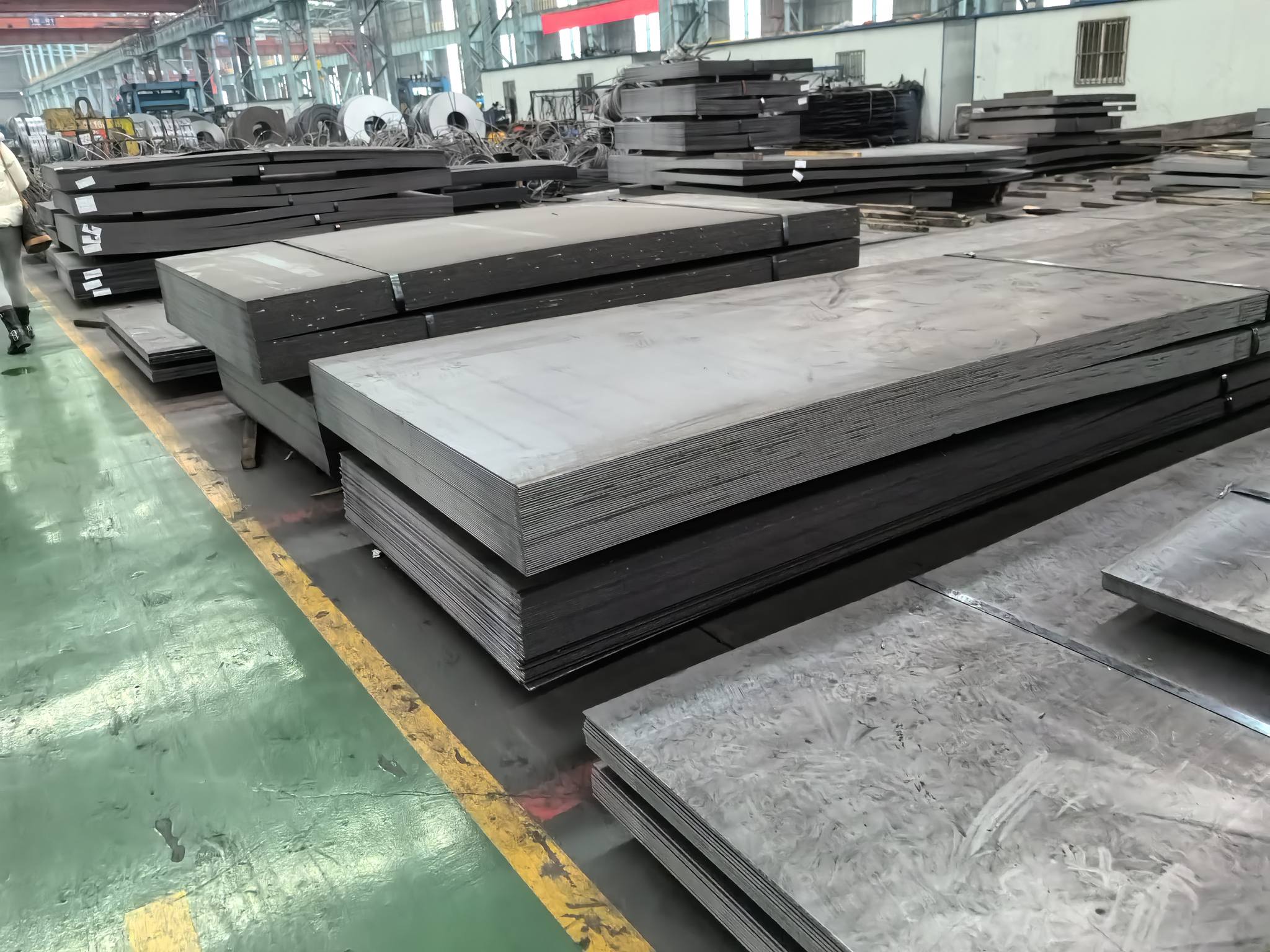
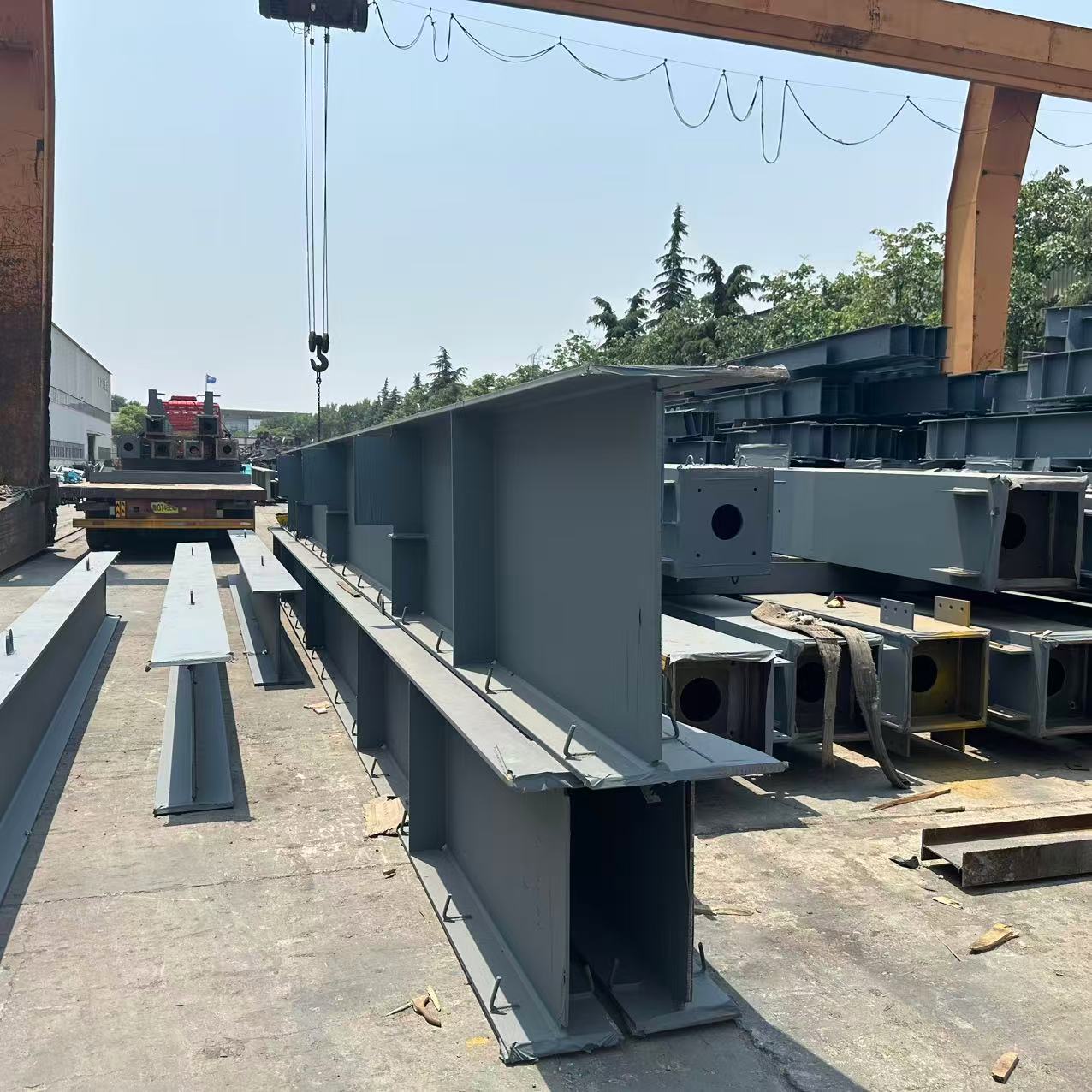
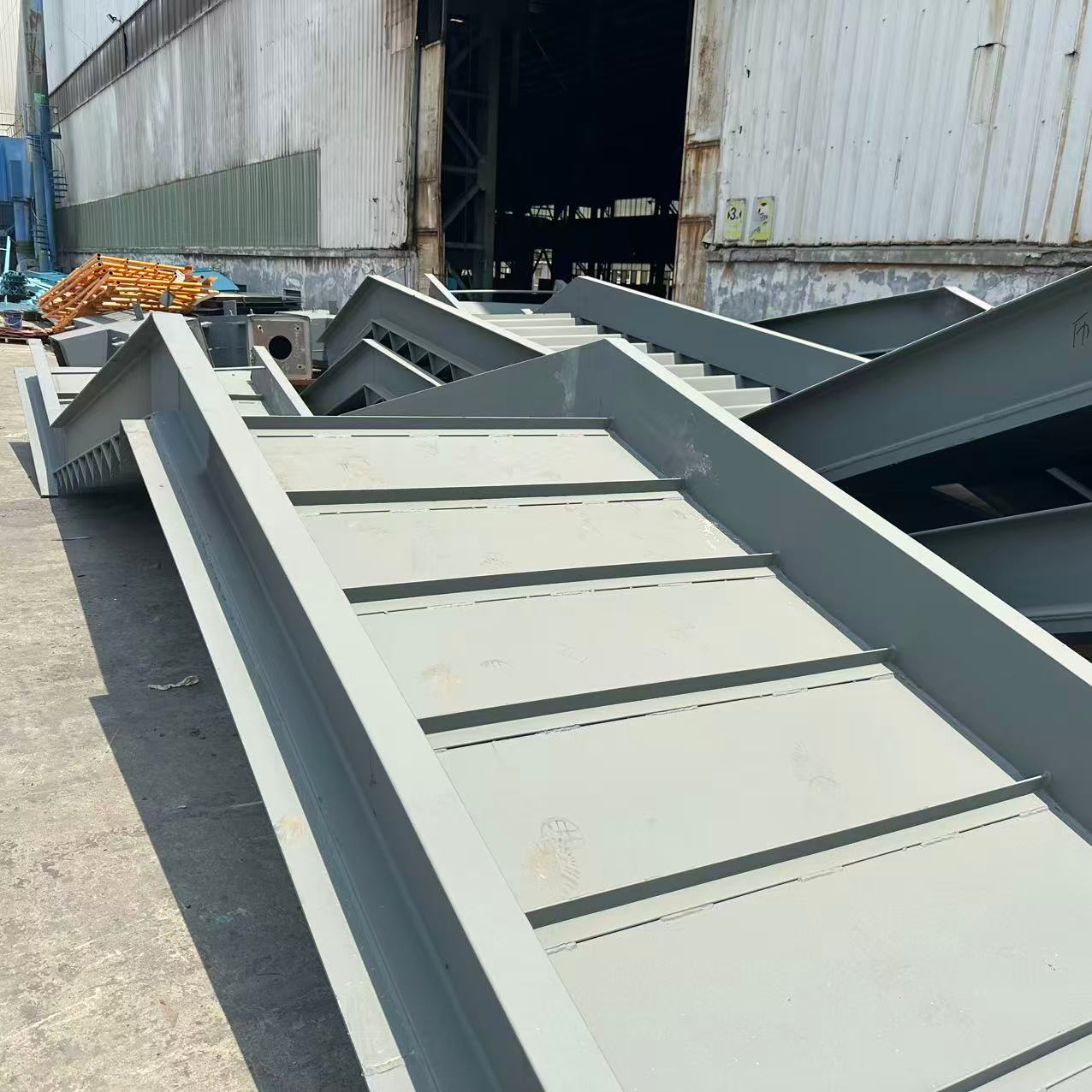
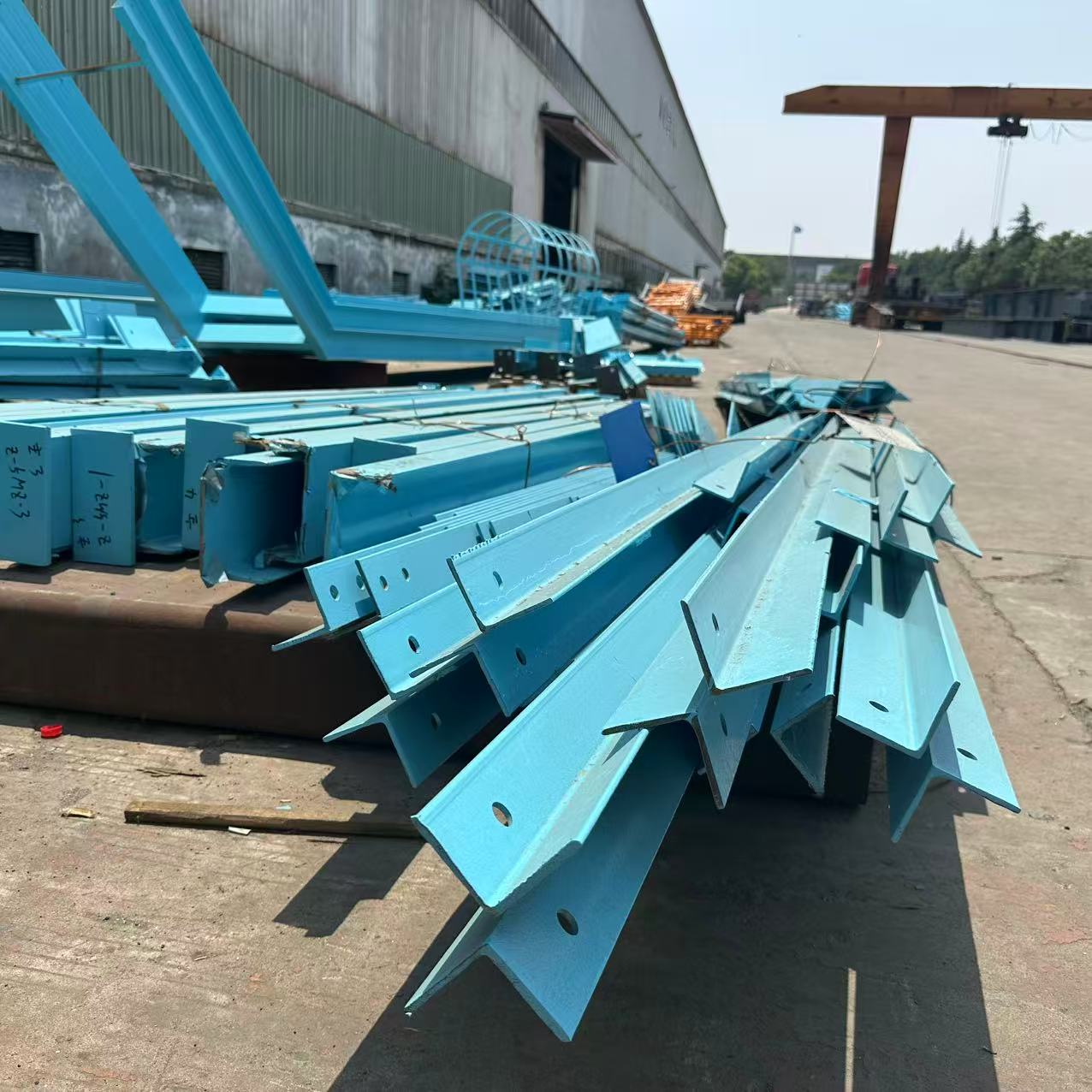
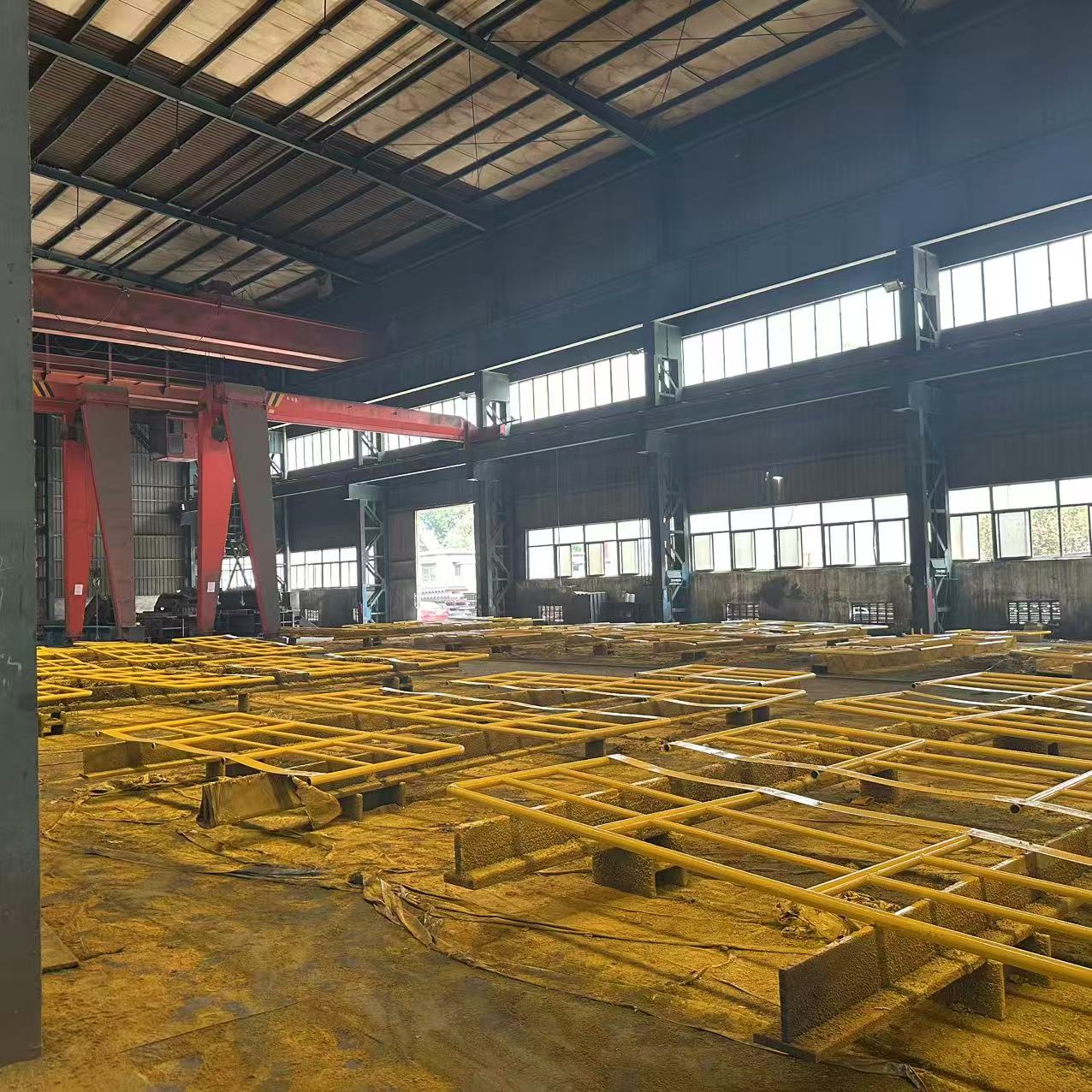
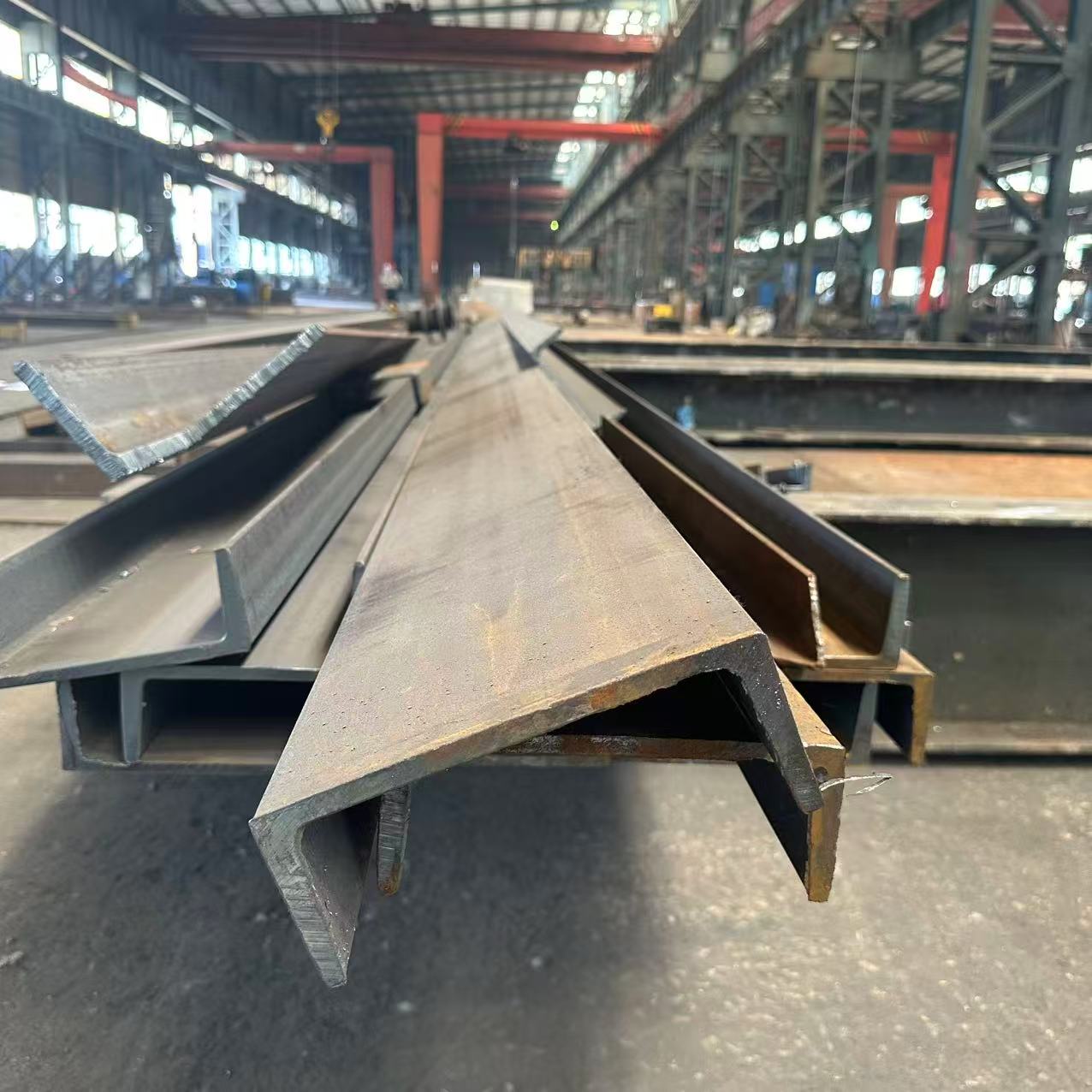
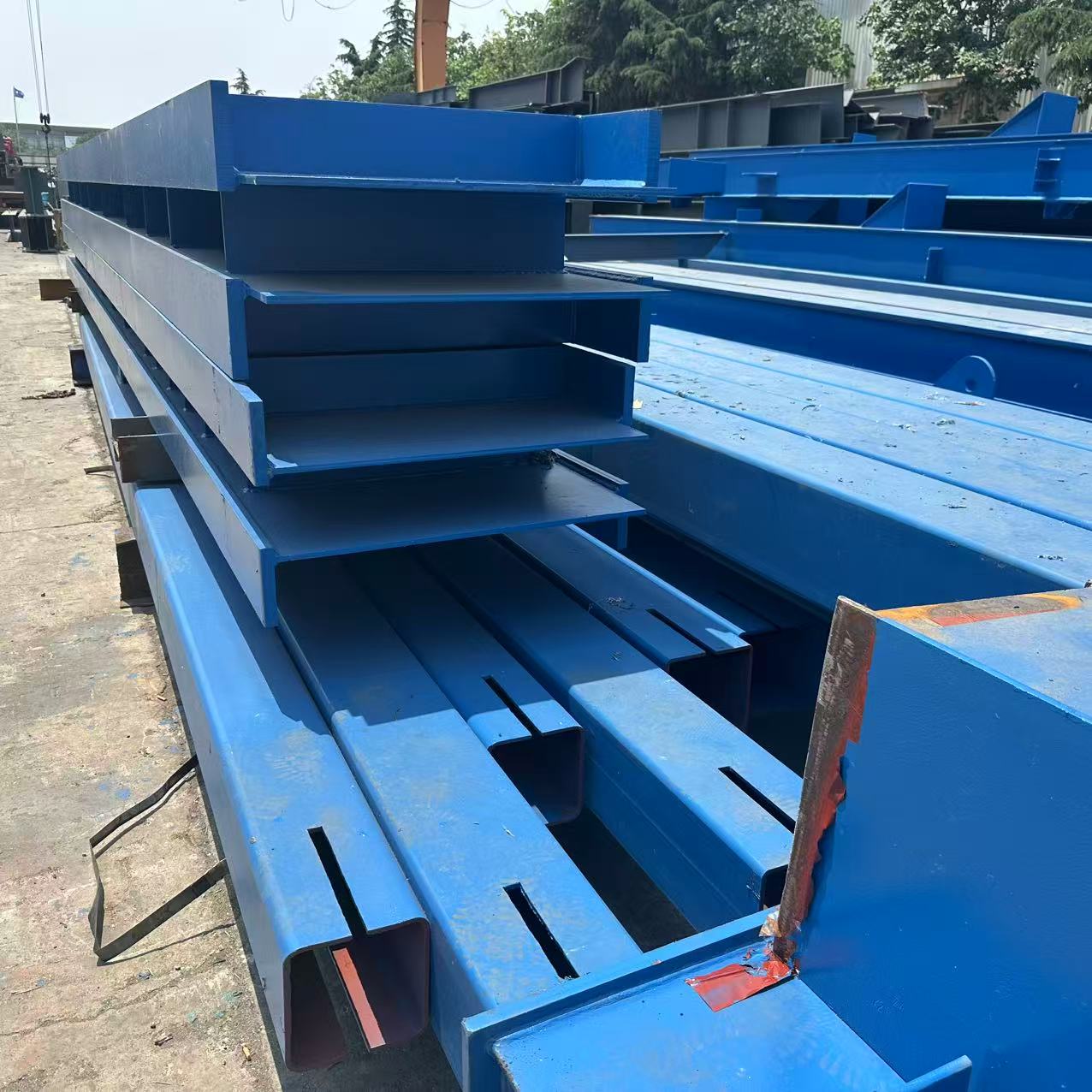
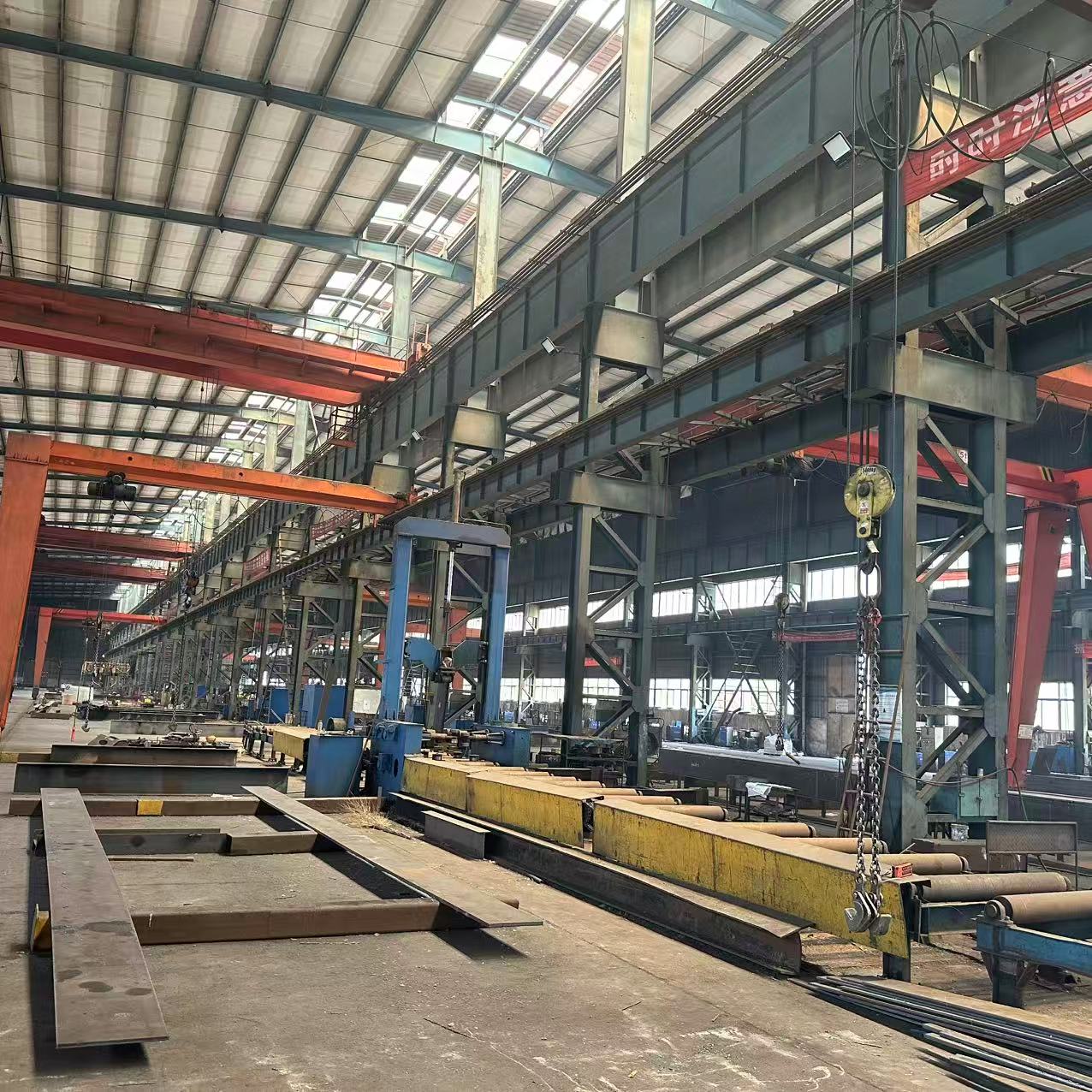
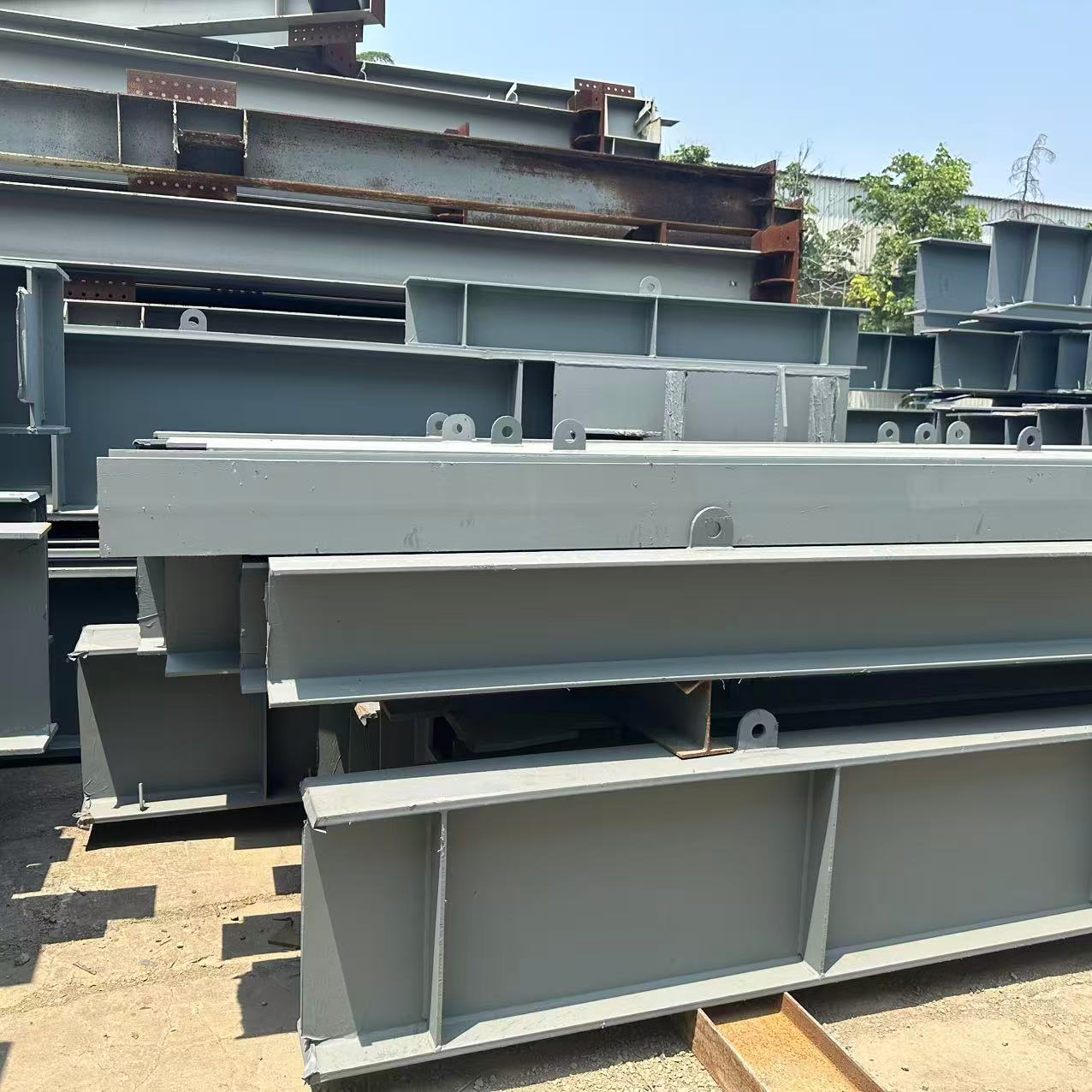
The facility operates 170 sets of advanced fabrication equipment,including large hydraulic press brakes,CNC drilling machines,China's largest shot blasting units,and ultrasonic flaw detectors,ensuring precision manufacturing standards.
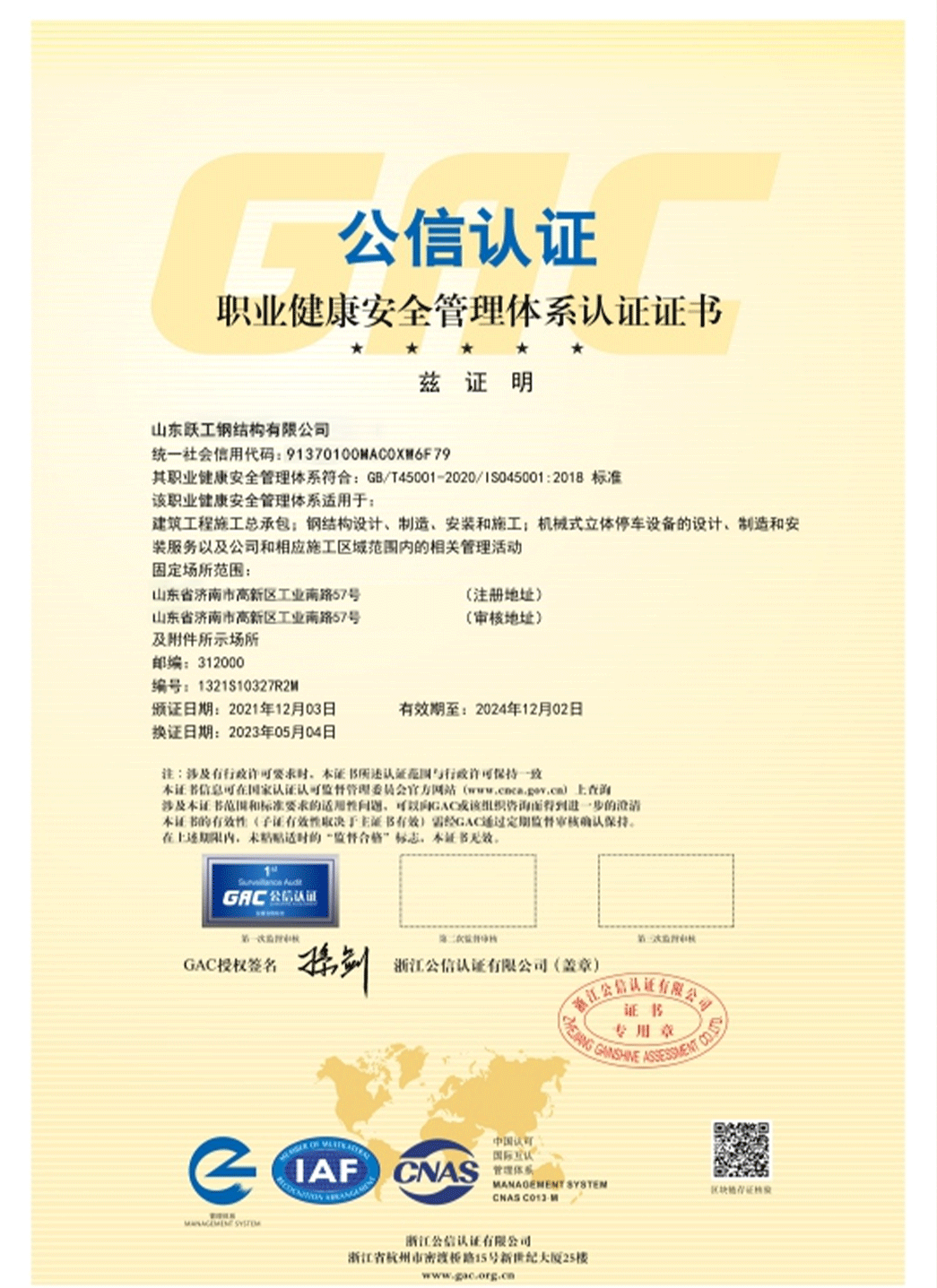
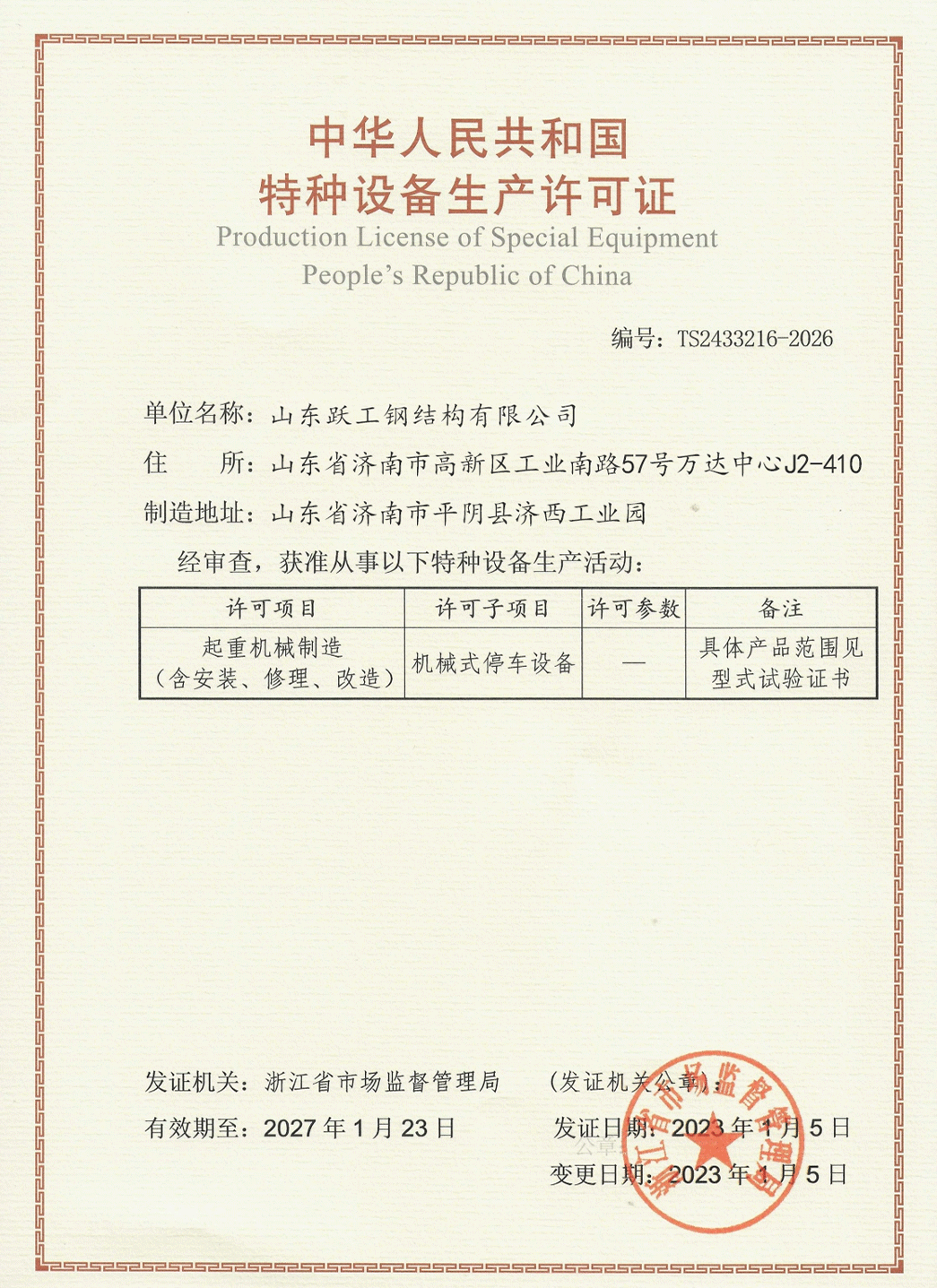
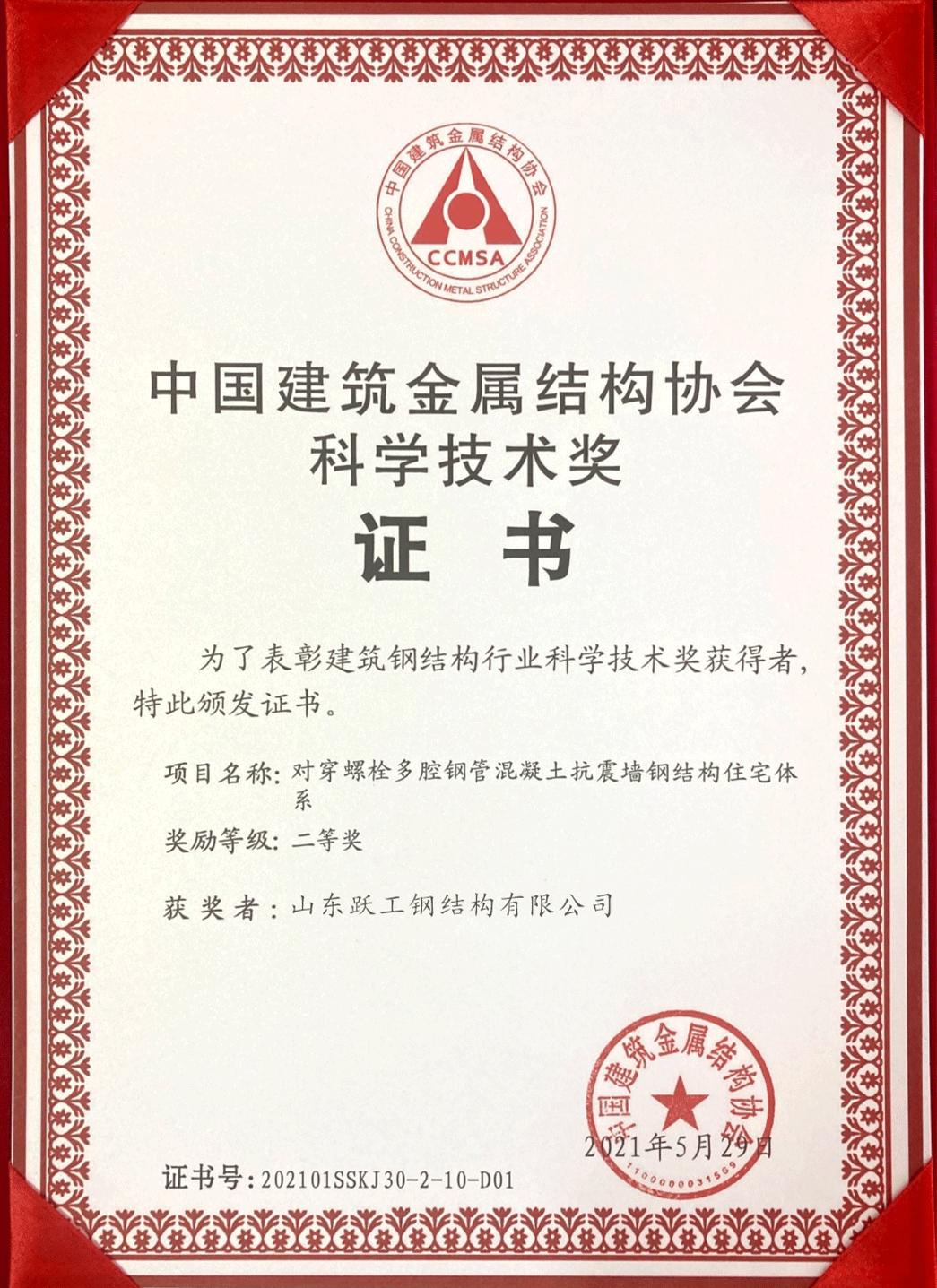
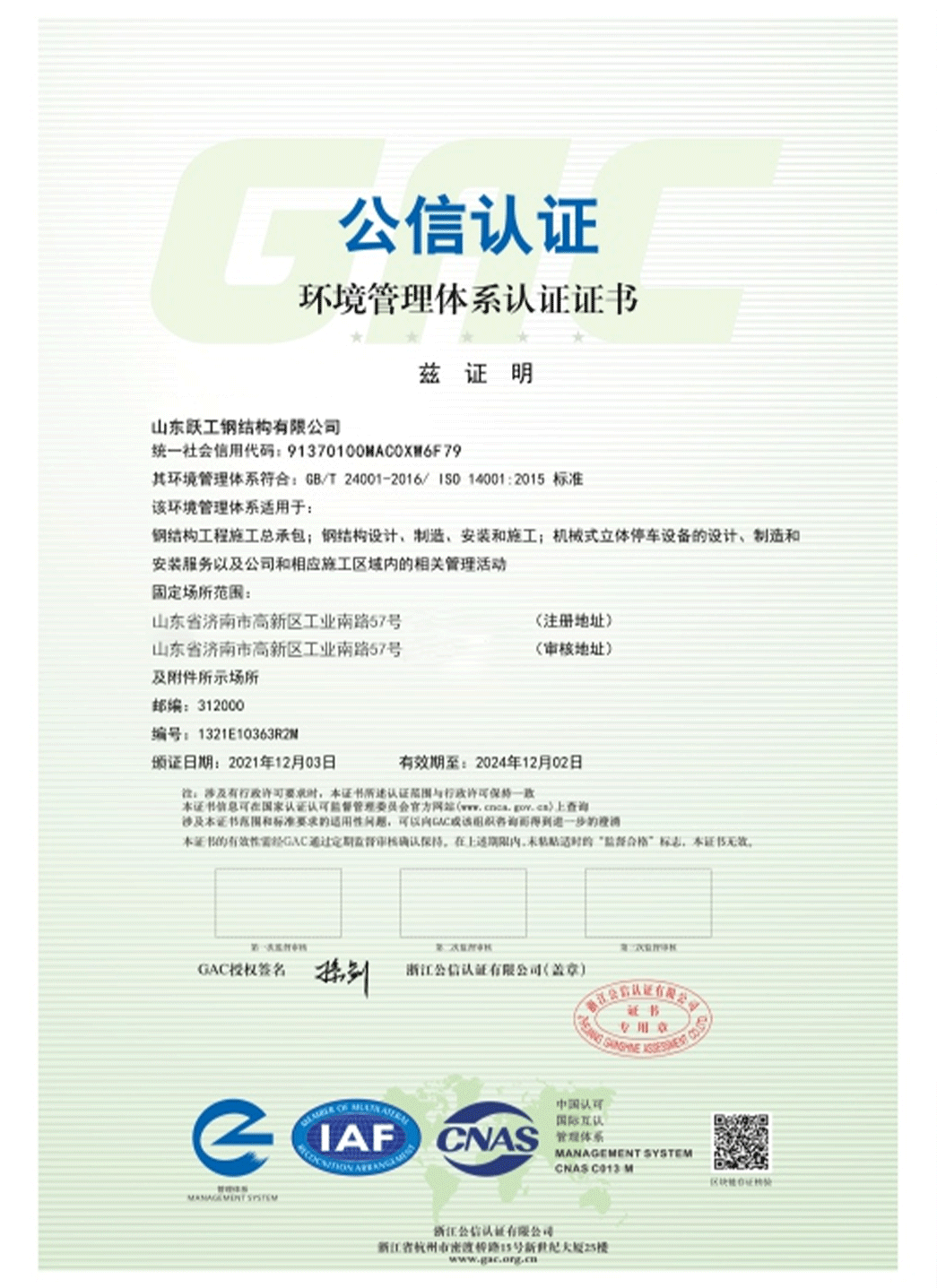
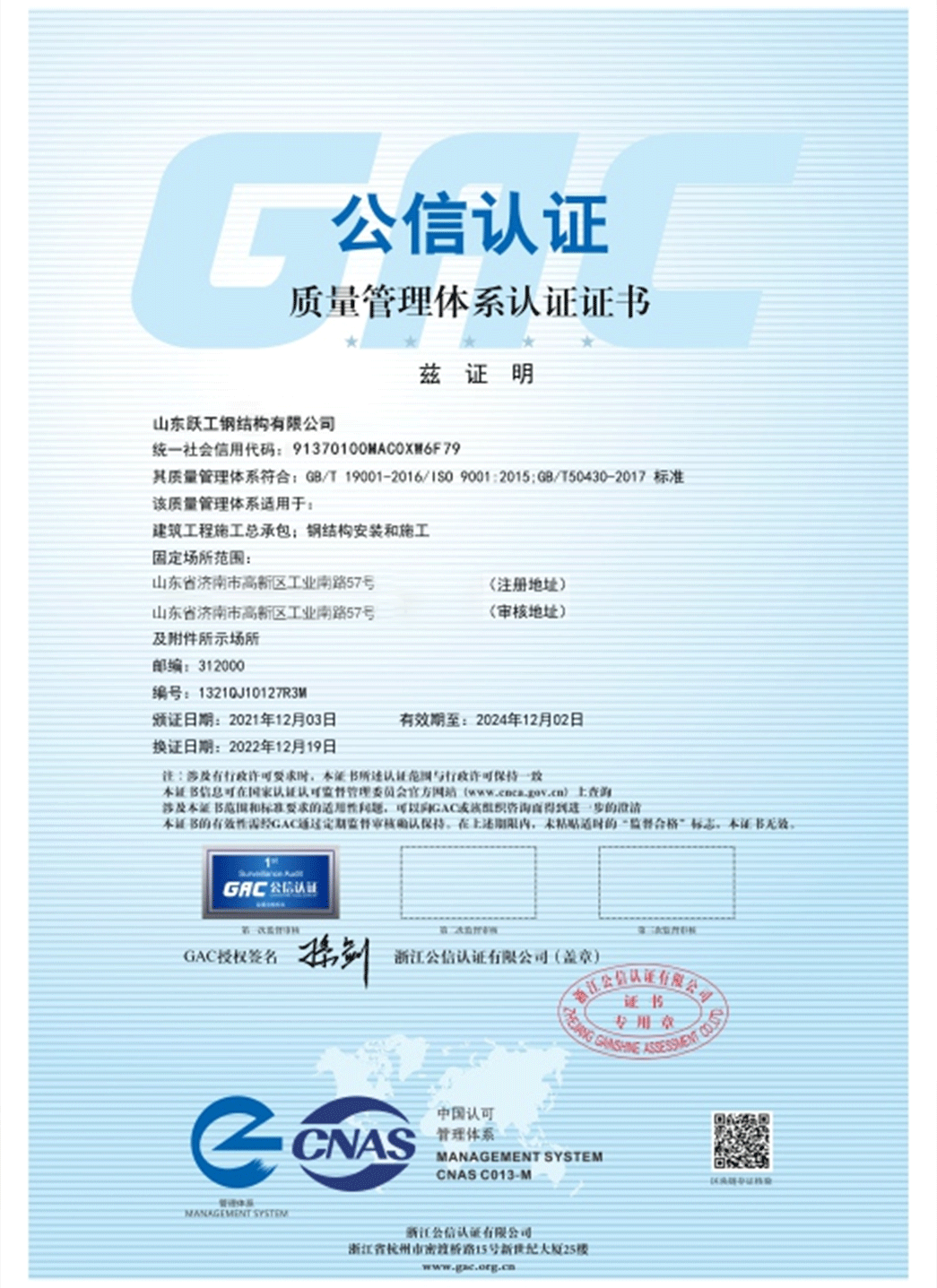
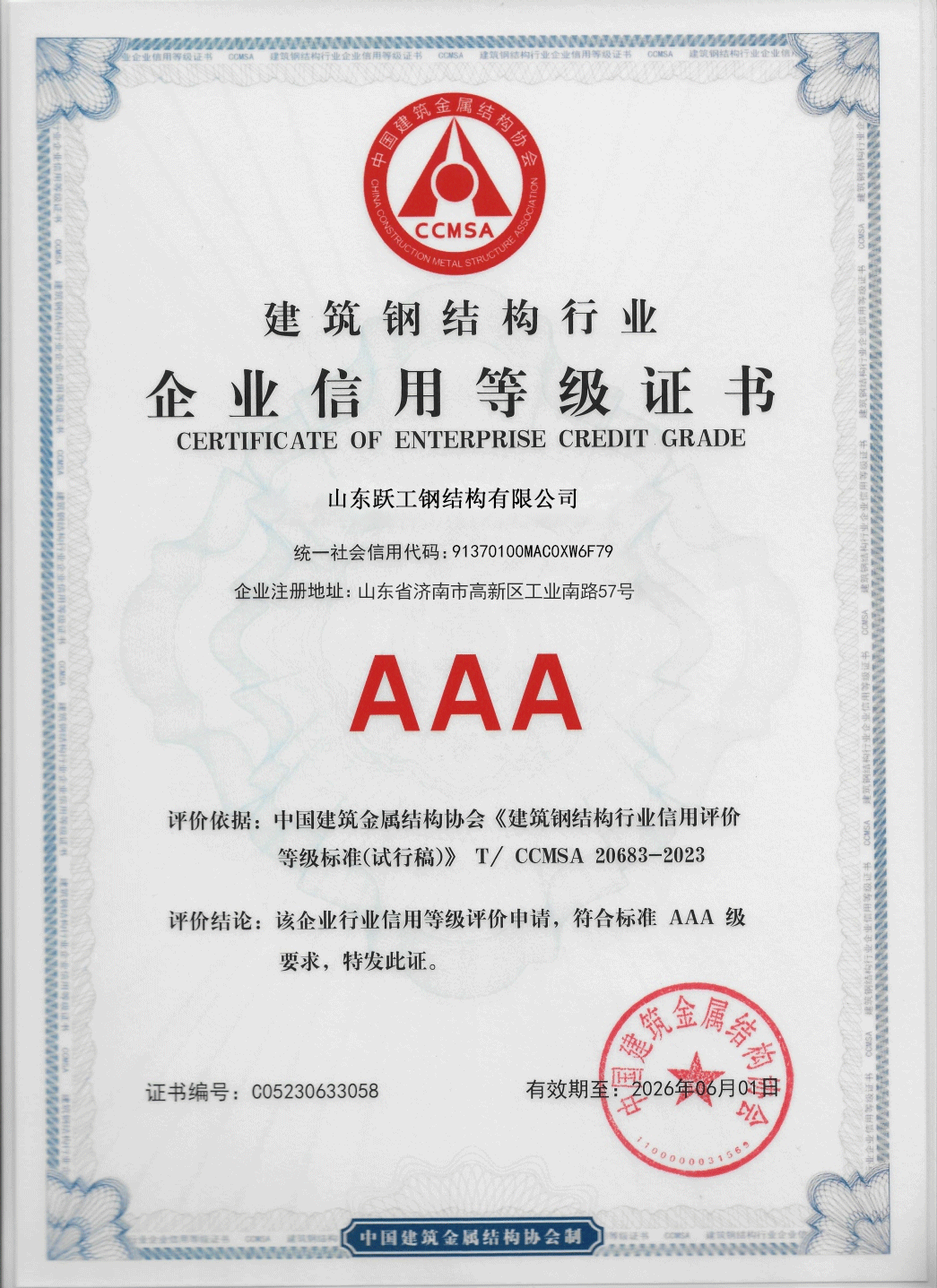
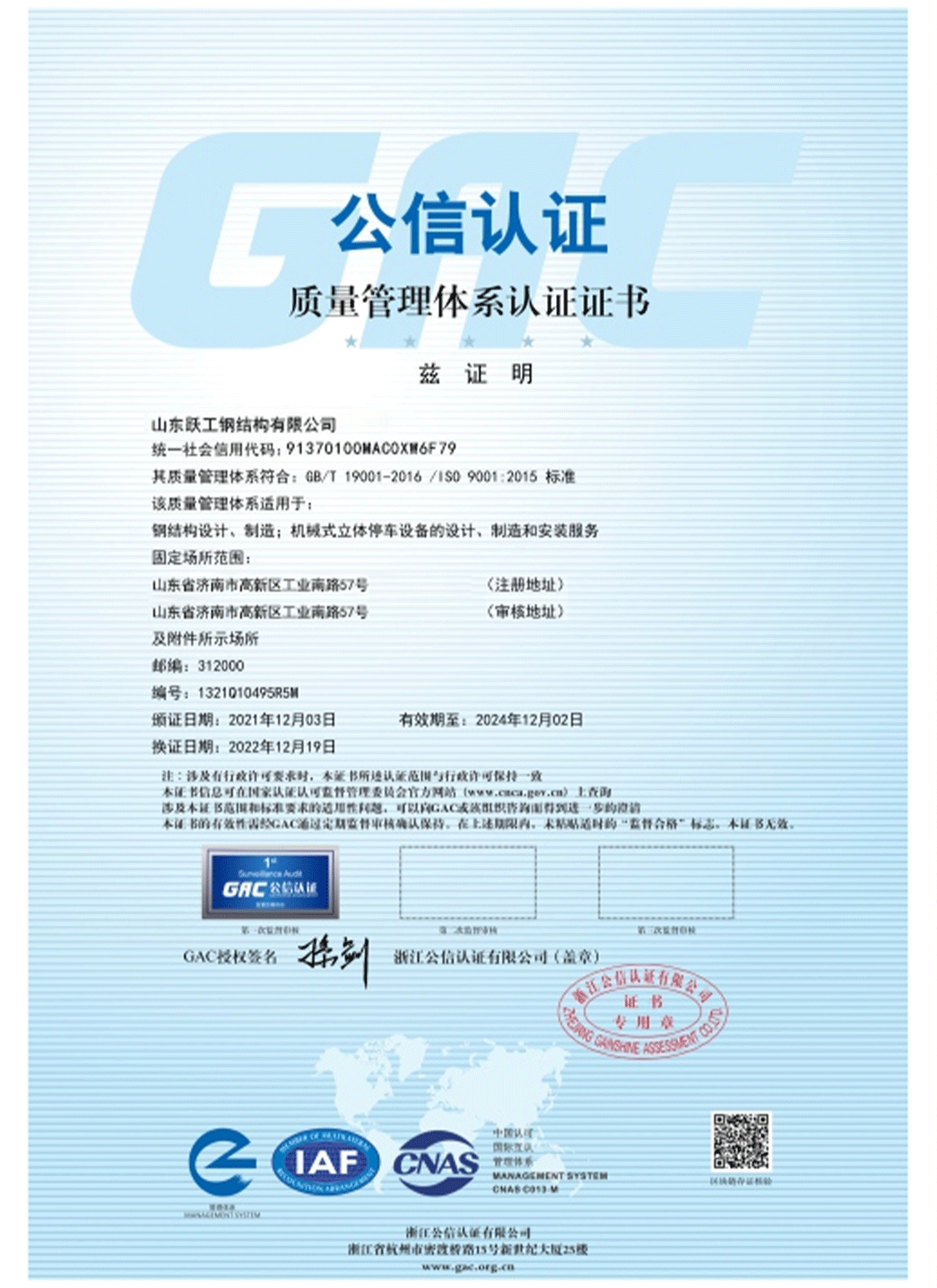
Certificate
Packing & Delivery
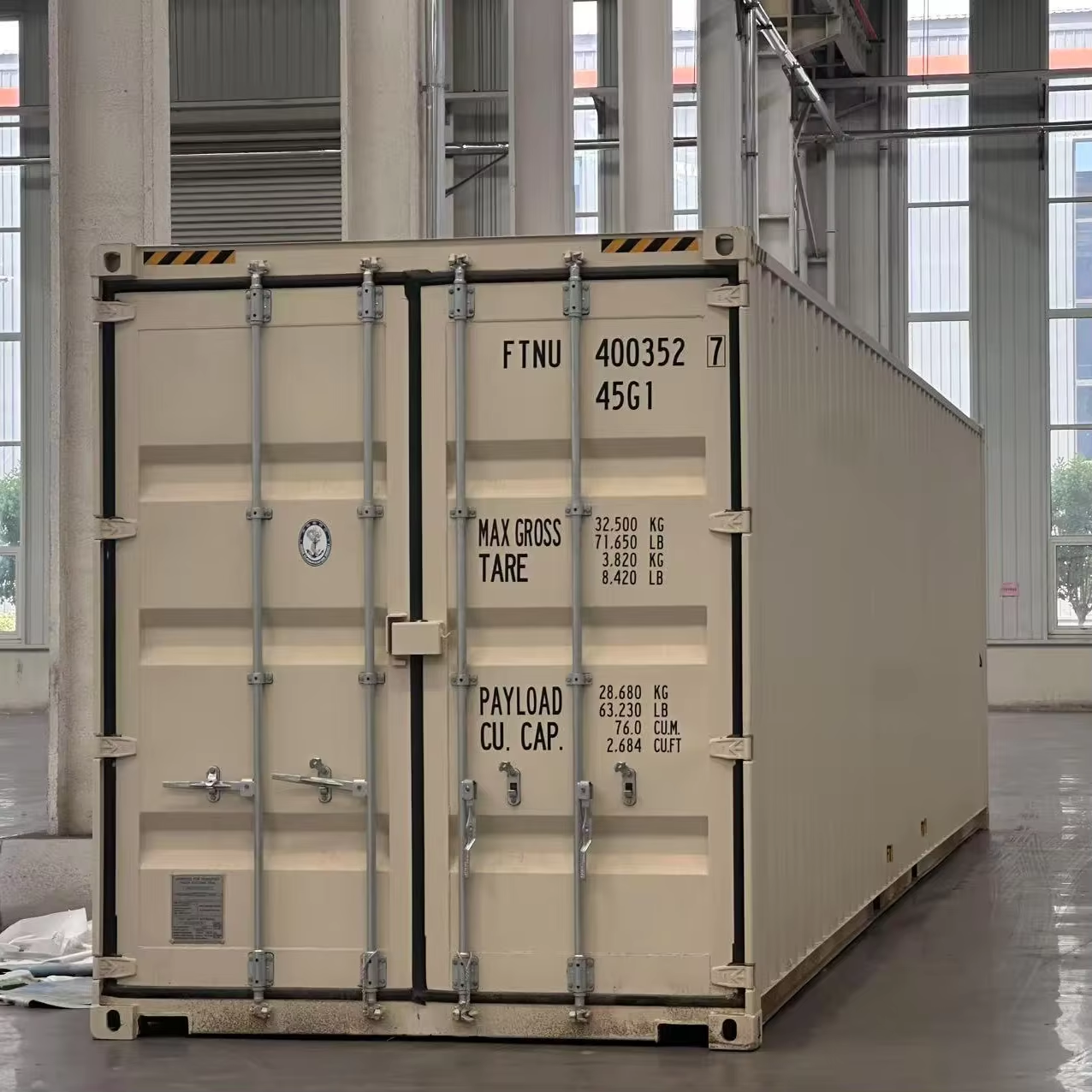
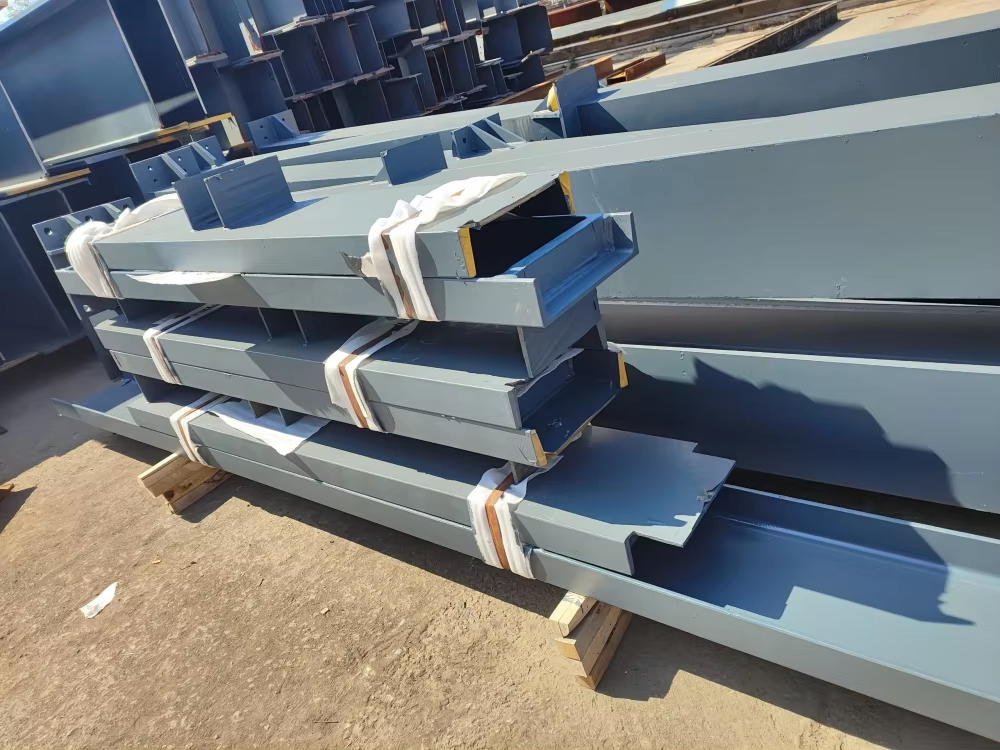
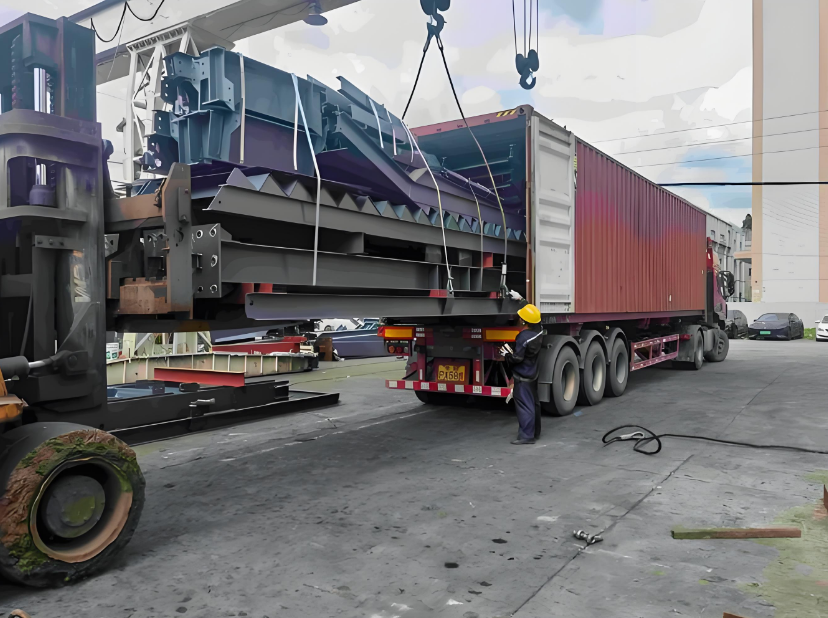
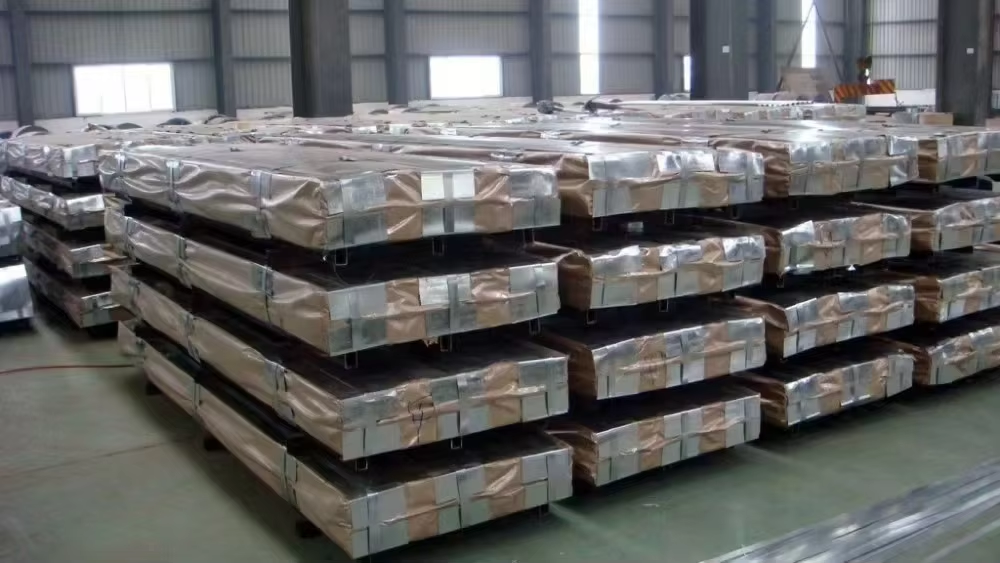
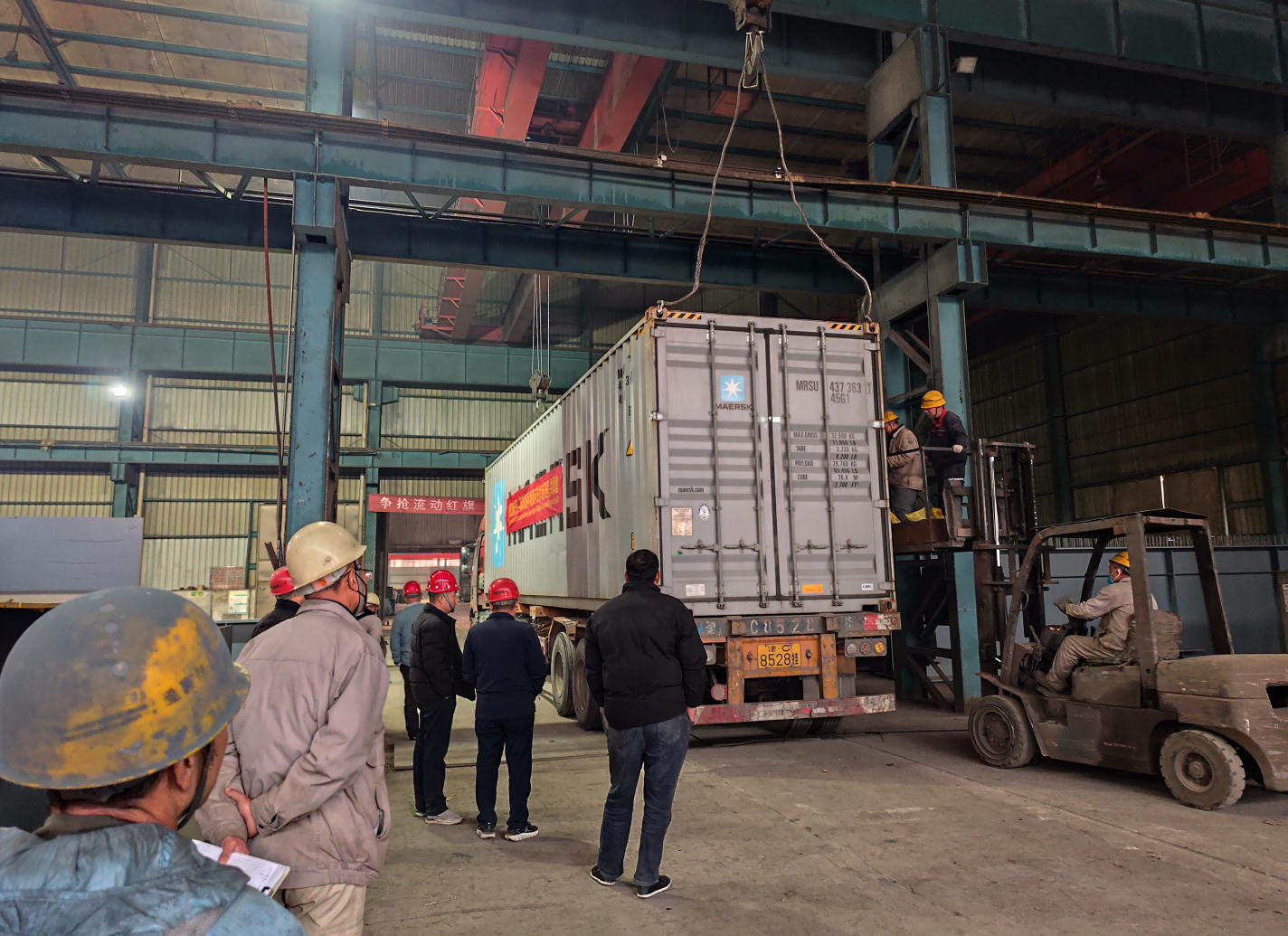
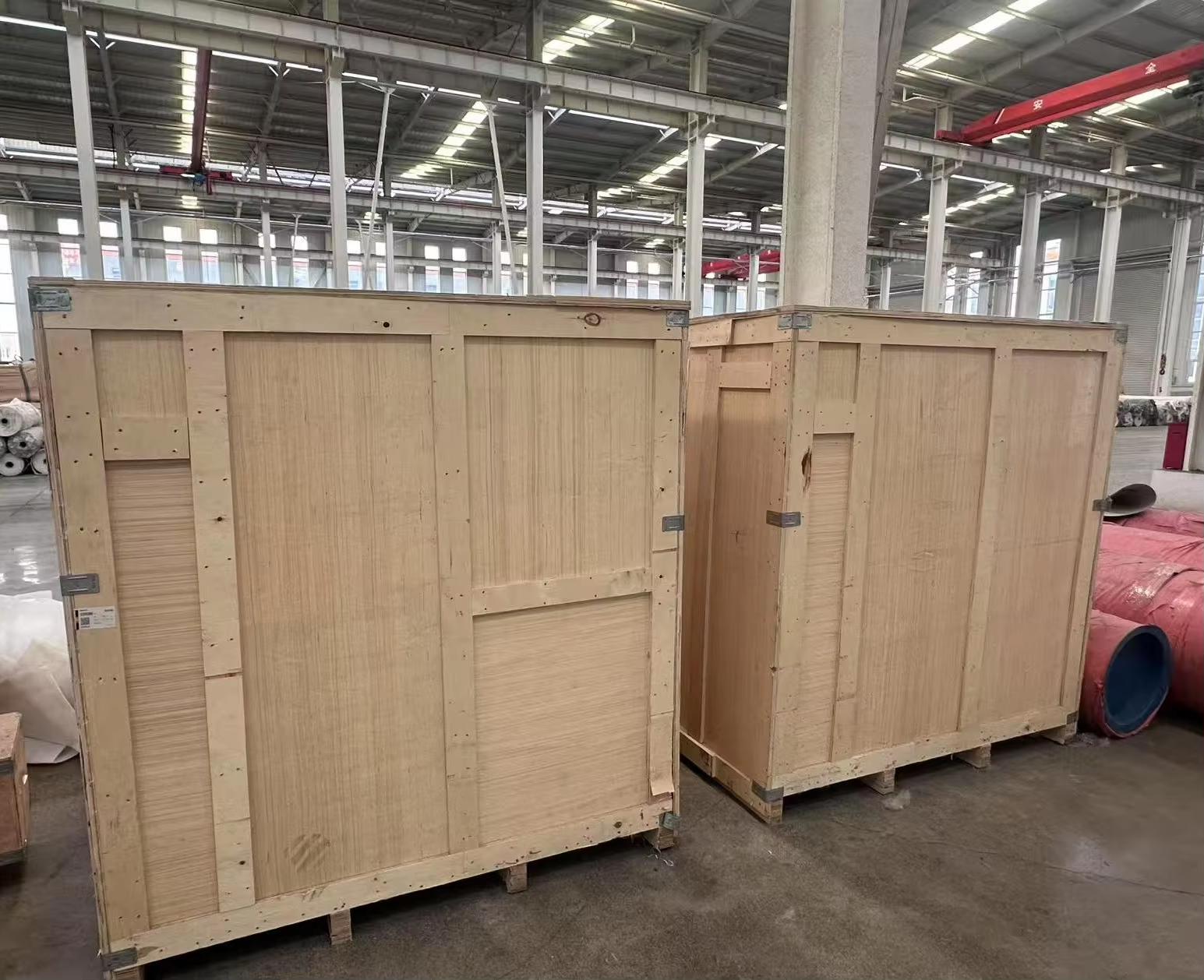
To better ensure the safety of your goods, professional, environmentally friendly, convenient and efficient packaging services will be provided. According to the characteristics of the product and the mode of transportation, fix it in the most appropriate and stable way to ensure that there will be no bumps, corrosion, scratches and other problems during transportation.
FAQ
Q: Who are we?
A: Our headquarters is located in Shandong, China. Since 2022, we have been selling our products to Southeast Asia (50.00%), the Middle East (20.00%), North America (10.00%), Central America (10.00%), East Asia (5.00%), and South Asia (5.00%). Our office has approximately 51 to 100 employees.
Q: How can we ensure quality?
A: Samples are always tested before mass production; Final inspections are always conducted before shipment.
Q: What products do we supply?
A: Steel structure workshops, steel structure bridges , steel structure villas, Bailey bridges, grid steel structures
Q: Why choose us to purchase rather than other suppliers?
A: We have 20 years of design and R&D experience, have designed and fabricated hundreds of projects, and hold Class A design and construction qualifications in China. We have also been certified by AISC and UKAS.
Q: What services can we provide?
A: Acceptable delivery terms: FOB, CFR, CIF, EXW; Acceptable payment Currencies: US dollars, Euros, Australian dollars, pounds, and RMB; Acceptable payment methods: telegraphic transfer; Languages of communication: English, Chinese.
Please Contact Us
Product Recommendation
 Prefabricated Steel Industrial Plant with Crane System: Heavy-Duty Operational ReadyLearn More
 Crane-Ready Industrial Steel Workshop with Custom-Engineered FramingLearn More
 Industrial Steel Structure Warehouse SolutionsLearn More
 Prefabricated Steel Warehouse: Fast Construction & Low Cost SolutionsLearn More
 Modern Steel Warehouse: Modular Prefab Factory, Low-Cost Industrial ShedLearn More
 Turnkey Industrial Steel Workshop Solutions for Rapid Production ExpansionLearn More
 Cold Chain Storage Steel Structure Workshop with Custom DesignLearn More
 Power EngineeringLearn More
 Steel Frame With Mezzanine FloorLearn More
 Steel Frame With Mezzanine FloorLearn More
 Marine EngineeringLearn More
 Specialized FacilitiesLearn More