
Latest News
▲
How to Choose the Right Steel Structure Warehouse Design for Your Business Needs
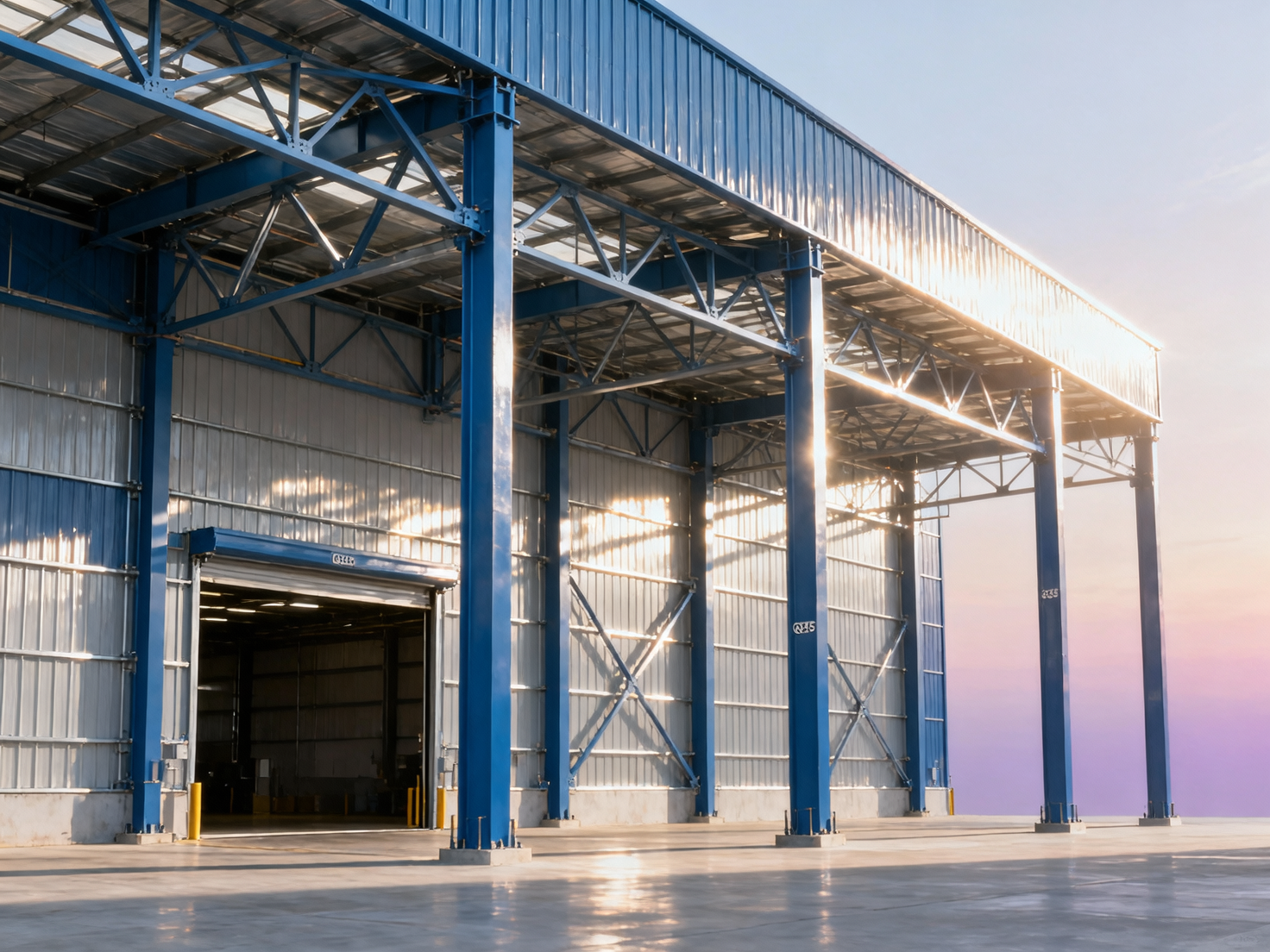
Choosing the ideal steel structure warehouse design is a crucial step in ensuring operational efficiency, durability, and cost-effectiveness for your business. With more than 20 years of technical expertise, Shandong Yuegong Steel Structure Co., Ltd. (YG Steel Structure) offers innovative warehouse solutions tailored to diverse industrial requirements. This guide will help procurement managers, business decision-makers, and project leaders identify key design considerations, from material selection to structural layout, ensuring the perfect balance between performance and long-term value.
Understanding Steel Structure Warehouses and Market Demand
Steel structure warehouses have become one of the most preferred industrial storage solutions worldwide. Their market growth rate has remained over 8% annually in the past five years, driven by logistics, e-commerce, and manufacturing expansion. Compared to conventional concrete buildings, steel structures offer shorter construction cycles—generally 70–120 days from design to completion—saving significant project time and cost.
The structural design flexibility of a steel warehouse allows for clear spans up to 60 meters, supporting customized layouts for automated storage systems. Additionally, the use of Q235 and Q345 grade steel ensures strength and load-bearing reliability under various climatic conditions ranging from -30℃ to +50℃.
In industry practice, the most common steel warehouse types include single-span light steel frames, multi-span heavy steel frames, and hybrid structures integrating steel and concrete. Choosing the right form depends on your operational needs, storage density, and land constraints.
YG Steel Structure, with a 100,000㎡ production base, provides standardized and modular manufacturing capabilities that accommodate both small-batch and large-scale warehouse projects. This ensures consistent quality control and accelerated delivery cycles.
Common Design Types and Their Typical Applications
This clear classification helps project managers make quick judgments about technical and financial expectations. Steel warehouses can also integrate industrial features such as mezzanine floors, roof light panels, and high-speed doors for improved logistics operations.
Key Factors to Consider When Choosing Your Warehouse Design
When designing a steel structure warehouse, decision-makers should analyze multiple dimensions to balance strength, cost, and scalability. The selection process commonly involves five core parameters: structural load, site conditions, functional zoning, material grade, and future expansion potential.
Procurement managers typically evaluate load-bearing capacity in the range of 0.5–1.5 tons/m², depending on stored goods and equipment. Design engineers should also factor wind resistance above 0.35kN/m² and seismic performance reaching 8-degree fortification levels for certain regions.
Material grade is critical for structural safety. Q345B steel is suitable for heavy-duty warehouse beams, while galvanization thickness of 80–120μm ensures anti-corrosion protection for at least 15–20 years in humid environments.
In some cross-functional projects, components like Highway Bridge Components are integrated within large logistics hubs to reinforce structural sections capable of carrying heavy conveyor systems or traffic flow between warehouse zones.
Recommended Evaluation Matrix for Warehouse Projects
This matrix aids in making technical comparisons among suppliers and in preparing a detailed request for quotation (RFQ) that aligns with project-specific standards.
Procurement Guide: From Design Consultation to Construction Execution
Selecting a warehouse partner involves more than structural design. It encompasses a four-stage procurement process: requirement definition, design proposal, cost verification, and on-site assembly. Each phase requires careful coordination between procurement teams and engineering consultants.
On average, design consultation lasts 1–2 weeks, including layout drafts and material recommendations. Manufacturing lead time ranges from 25 to 45 days depending on project scale and customization levels. For assembly and erection, an estimated 15–30 days are required for projects under 10,000㎡, given stable site access and weather conditions.
YG Steel Structure ensures a transparent workflow with milestone reporting every 7 days, so project leaders can monitor fabrication and delivery progress in real time. The company’s Class A Steel Structure Design Certification guarantees technical reliability throughout the process.
In projects that combine warehouse and bridge functionality—where heavy vehicle access or elevated transportation is needed—YG Steel Structure’s engineering division can integrate Highway Bridge Components to strengthen infrastructure durability and long-span stability.
Standardized Procurement Phases
- Phase 1: Define function, dimension, and load targets with technical consultants (3–5 days).
- Phase 2: Receive 2D/3D design proposals and budget adjustments (7–10 days).
- Phase 3: Contract confirmation, raw material procurement, and fabrication (2–4 weeks).
- Phase 4: Shipment, on-site construction, and commissioning (15–30 days).
This clear workflow facilitates quality traceability, helping procurement teams estimate total project timelines ranging from 45–90 days depending on complexity.
Compliance, Certification, and Long-Term Value
Compliance with national and international standards ensures that steel structure warehouses meet safety and performance expectations. In China, GB50017 and GB50009 are the primary codes for steel structures and building loads. For overseas partners, YG Steel Structure also complies with the European EN 1993 and American AISC standards when required.
With over 50,000 tons of annual production capacity, all structural components undergo mechanical testing for tensile strength (≥420MPa) and yield stress tolerance (≥345MPa). Anti-corrosion examinations and bolt torque testing are carried out at least once every production batch to ensure reliability across 20+ years of service life.
Such adherence to Class I Construction Qualification and membership in China Steel Construction Society provides clients with added assurance of project sustainability and technical transparency. This makes YG Steel Structure a dependable partner for government, commercial, and manufacturing industries alike.
Beyond compliance, cost remains a critical factor. By optimizing material consumption through finite element analysis and modular prefabrication, clients can typically reduce total investment by 10–18% compared with conventional construction approaches.
FAQ: Common Questions About Steel Structure Warehouse Design
1. How long does it take to complete a steel warehouse project?
Most projects from design to commissioning require 2–3 months on average. Light steel designs below 5,000㎡ may complete within 45 days, while heavy steel structures or hybrid layouts can extend to 90 days due to complex assembly.
2. What maintenance schedule is recommended?
Routine inspection every 12 months is advisable. Key checkpoints include roofing fasteners, anti-rust painting, and drainage systems. Repainting is normally required every 5–8 years in coastal or humid environments to prolong service life.
3. Can steel warehouses be expanded later?
Yes. Modular bolt connections allow expansions in units of 10–20 meters per bay. This scalability is advantageous for enterprises expecting business growth or equipment additions over 3–5 years.
4. What are common mistakes during procurement?
Common errors include underestimating wind load data, ignoring local soil bearing capacity, and choosing inappropriate insulation materials. Early collaboration with certified design engineers avoids costly modifications at later stages.
Why Choose YG Steel Structure for Your Next Warehouse Project
Shandong Yuegong Steel Structure Co., Ltd. leverages two decades of specialized experience to deliver customized, certified, and cost-efficient warehouse solutions. With advanced heavy and light steel production lines, YG Steel Structure ensures precision fabrication, faster lead times, and full compliance with international standards.
Whether your project involves standard warehousing, integrated logistics operations, or mixed-use facilities including bridge connections, the company’s engineering team can provide comprehensive consultation from 3D modeling to final assembly. Parameters such as wind load, seismic grade, or insulation performance can all be customized within 2–4 working days of evaluation.
If you are planning to upgrade or construct a new warehouse, contact YG Steel Structure for professional guidance on:
- Design optimization and cost simulation of steel structures
- Material selection and compliance confirmation
- Delivery schedule planning and fabrication milestones
- Customized solutions for bridge-integrated storage facilities
Consult with YG Steel Structure today to ensure your next warehouse investment yields durability, operational efficiency, and long-term value through precision-engineered steel design.
Related Posts
- ▶ Steel Structures: Meeting Client Demands with Precision
- ▶ What Project Managers Should Know Before Approving a Steel Structure Warehouse Plan
- ▶ Comparing Steel Structure Warehouses with Traditional Concrete Buildings in 2026
- ▶ How Energy Efficiency Is Changing the Future of Steel Structure Warehouse Design
- ▶ 5 Ways to Reduce Construction Time for Your Steel Structure Warehouse Project
- ▶ Is a Steel Structure Warehouse the Best Option for Cold Storage Facilities?
Send Us A Message