
Latest News
▲
Common Pitfalls to Avoid When Building a Steel Structure Warehouse
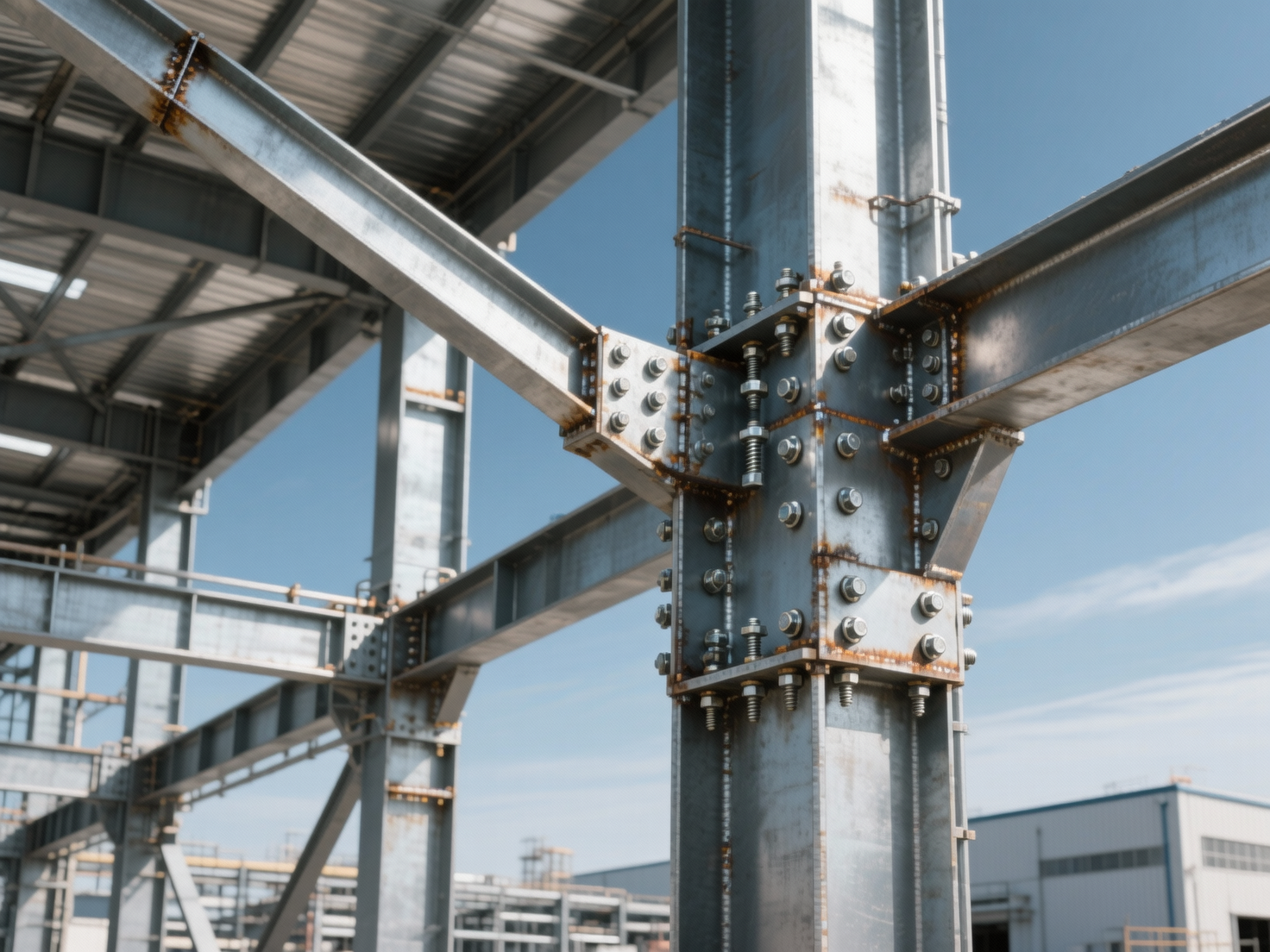
Building a steel structure warehouse requires more than just durable materials—it demands strategic planning, precise engineering, and expert execution. Many projects stumble due to overlooked design factors, improper material selection, or inefficient project coordination. Understanding these common pitfalls can help procurement officers, corporate decision-makers, and project managers ensure cost-effectiveness, safety, and longevity. Backed by decades of expertise, YG Steel Structure shares key insights to help you avoid these mistakes and achieve optimal warehouse performance.
1. Understanding the Core Principles of Steel Structure Warehouse Construction
Steel structure warehouses are engineered systems designed for high load capacity, adaptability, and long-term durability. Compared with traditional concrete structures, they can reduce construction time by 30%–40%, achieve higher space utilization, and allow for flexible internal configuration. However, failing to follow sound structural design principles can lead to alignment errors, excessive deflection under load, or inefficient material usage.
A typical warehouse framework includes columns, beams, purlins, and connecting fasteners such as Bolts. Each element contributes to the overall stability, and deviations of even ±2 mm in beam installation can affect the load transfer across support points. Hence, accurate digital modeling and parametric design must be implemented from the conceptual stage.
The reliability of steel warehouses also depends on the welding and assembly processes on-site. Quality control checkpoints—typically at 4–6 stages, including material inspection, alignment confirmation, preloading test, and corrosion protection—are essential for ensuring a 25–30 year service lifespan under standard operational conditions.
Shandong Yuegong Steel Structure Co., Ltd. (YG Steel Structure) applies integrated design–manufacture–installation processes to minimize structural deviation risks. Its 100,000 ㎡ production base and multiple heavy-duty production lines allow fast, consistent component fabrication for projects across industrial, municipal, and commercial sectors.
Common Structural Composition
Maintaining precision within the indicated tolerance ensures structural stability, supports seismic resistance, and aligns with GB and EN design standards commonly referenced in steel warehousing projects.
2. Key Pitfalls in Design and Material Selection
One of the most frequent design errors involves misjudging live load and wind load requirements. For warehouses exceeding 25 m in span, insufficient stiffness can lead to mid-span deflection exceeding L/250, violating safety code limits. Proper structural modeling using software such as Tekla or PKPM helps foresee such deformations in advance.
Material selection also demands careful consideration of purpose and environment. Low-alloy structural steel Q345B or Q390B is typically used for main frameworks, offering yield strengths of 345–390 MPa. For coastal areas, applying hot-dip galvanization with a coating thickness of 80–120 μm reduces corrosion rates by nearly 60% compared with untreated steel.
Poor ventilation design or inappropriate insulation can cause condensation within 5–8 years, leading to paint degradation and localized rust. Therefore, integrating roof insulation panels with polyurethane foam layers of 30–50 mm and vapor barriers is standard practice for energy efficiency and durability.
YG Steel Structure’s in-house design team provides 3D simulation and material optimization to balance strength–cost ratio. This not only prevents over-design (which raises material consumption by up to 10%) but also ensures compliance with China’s Class A Steel Structure Design Certification parameters.
3. Project Coordination and Quality Control Challenges
Even with an excellent design, weak coordination among suppliers, constructors, and supervisors can cause time and cost overruns. In typical 8–12 month warehouse projects, misalignment of procurement and installation schedules may prolong the timeline by 15–20%. Early-stage coordination and clear management interfaces between steel suppliers and installation contractors are crucial.
A structured quality control process usually involves at least six monitoring points: material sourcing, preassembly inspection, welding quality check, surface treatment, on-site erection accuracy, and final bolt tightening. Neglecting one stage may lead to reduced bearing capacity or uneven settlement.
To prevent coordination pitfalls, YG Steel Structure integrates digital tracking of production batches, offering clients real-time updates of fabrication progress every 3–5 days. Automated welding and CNC cutting achieve accuracy within ±1 mm, ensuring that prefab parts fit precisely during assembly.
Implementing collaborative BIM workflows allows all project stakeholders—including designers, builders, and owners—to visualize progress and detect interference before site installation, thus reducing rework by up to 25% and accelerating acceptance testing phases.
Typical Construction Coordination Checklist
Strict adherence to this timeline avoids rework and ensures inspection readiness. The result is structural integrity and predictable delivery schedules.
4. Compliance, Standards, and Sustainability Insights
Steel warehouses must comply with both national and international codes such as GB 50017 (Steel Structure Design Code) or EN 1090-2. Noncompliance can delay project approval by 2–4 months and increase inspection costs. YG Steel Structure’s Class I Construction Qualification ensures conformance throughout design and execution stages.
Sustainability also plays a vital role in modern procurement decision-making. Using recyclable steel components can reduce lifecycle emissions by 35%–45% compared with concrete buildings. Incorporating natural ventilation systems and LED lighting can further cut annual energy consumption by approximately 20 kWh/m².
For project managers aiming for international collaborations, adherence to ISO 9001:2015 and ISO 14001 frameworks ensures global recognition of quality and environmental sustainability. YG Steel Structure applies 3-level inspection systems aligning with these requirements, encompassing design audit, on-site verification, and after-installation review.
By ensuring standards compliance and sustainable approaches, enterprises not only minimize legal risk but also enhance long-term asset value and corporate ESG performance indicators.
5. Practical Recommendations and Preventive Measures
Based on hundreds of industrial facility projects, the following measures have proven effective in avoiding construction pitfalls and maximizing warehouse performance. These checkpoints should be integrated into every procurement and project management plan.
- Conduct professional load simulations and verify column–beam connections before finalizing design drawings.
- Establish a 3-layer inspection system: factory testing, third-party verification, and on-site witnessing.
- Ensure fastener torque monitoring during installation, targeting 80–120 N·m for M20–M24 connections.
- Use corrosion-resistant coating systems providing over 1,200 hours of salt-spray performance for marine environments.
- Plan logistics ahead—steel structure manufacturing typically takes 18–25 days per batch, with shipping adding 5–7 days depending on distance.
Applying these measures allows smoother execution, better structural integrity, and reduced total lifecycle costs by up to 15%. Enterprises partnering with YG Steel Structure benefit from dedicated engineering consultants who provide optimization recommendations at each stage.
6. FAQ and Decision Support for Project Stakeholders
Q1: How long does it typically take to build a steel warehouse?
Under normal circumstances, a 5,000–10,000 m² steel warehouse can be designed, fabricated, and installed within 4–6 months. The exact duration depends on structural complexity, geographic location, and local inspection procedures.
Q2: What are the main quality assurance steps during production?
Main steps include raw material inspection (chemical composition check), welding seam ultrasonic testing (target ≥95% acceptance rate), and dimension accuracy verification (within ±1 mm tolerance). YG Steel Structure employs automated detection systems to maintain these standards consistently.
Q3: How can one control project costs without sacrificing quality?
Cost control can be achieved through modular design, standardized component adoption, and cooperative procurement of main materials. Opting for prefabricated elements can reduce labor requirements by 20–25%, shortening the project duration while keeping quality intact.
Q4: What certifications should suppliers hold?
Reliable suppliers should hold national construction qualifications (Class I or above), Class A design certification, ISO 9001 quality management, and relevant safety compliance certificates. These ensure accountability and global compatibility in material and design documentation.
7. Why Choose YG Steel Structure for Your Next Project?
With over 20 years of industry expertise, Shandong Yuegong Steel Structure Co., Ltd. offers end-to-end services—from conceptual modeling and structural optimization to precision manufacturing and on-site installation. Its annual production capacity of 50,000 tons ensures reliable supply for high-volume industrial and municipal projects.
Procurement professionals can rely on YG Steel Structure for:
- Engineering consultation for load analysis and component optimization.
- Custom fabrication of industrial, public, and residential steel structures.
- Assistance in certification documentation, design validation, and inspection coordination.
- Timely delivery within 45–70 days, depending on scale and complexity.
If you are planning or managing a steel structure warehouse project, contact YG Steel Structure to discuss design parameters, component specifications, or project delivery schedules. Expert engineers will provide technical recommendations, including material grades, fastener types, and corrosion protection strategies, tailored to your operational requirements.
Related Posts
- ▶ Steel Structures: Meeting Client Demands with Precision
- ▶ What Project Managers Should Know Before Approving a Steel Structure Warehouse Plan
- ▶ Comparing Steel Structure Warehouses with Traditional Concrete Buildings in 2026
- ▶ How Energy Efficiency Is Changing the Future of Steel Structure Warehouse Design
- ▶ 5 Ways to Reduce Construction Time for Your Steel Structure Warehouse Project
- ▶ Is a Steel Structure Warehouse the Best Option for Cold Storage Facilities?
Send Us A Message